

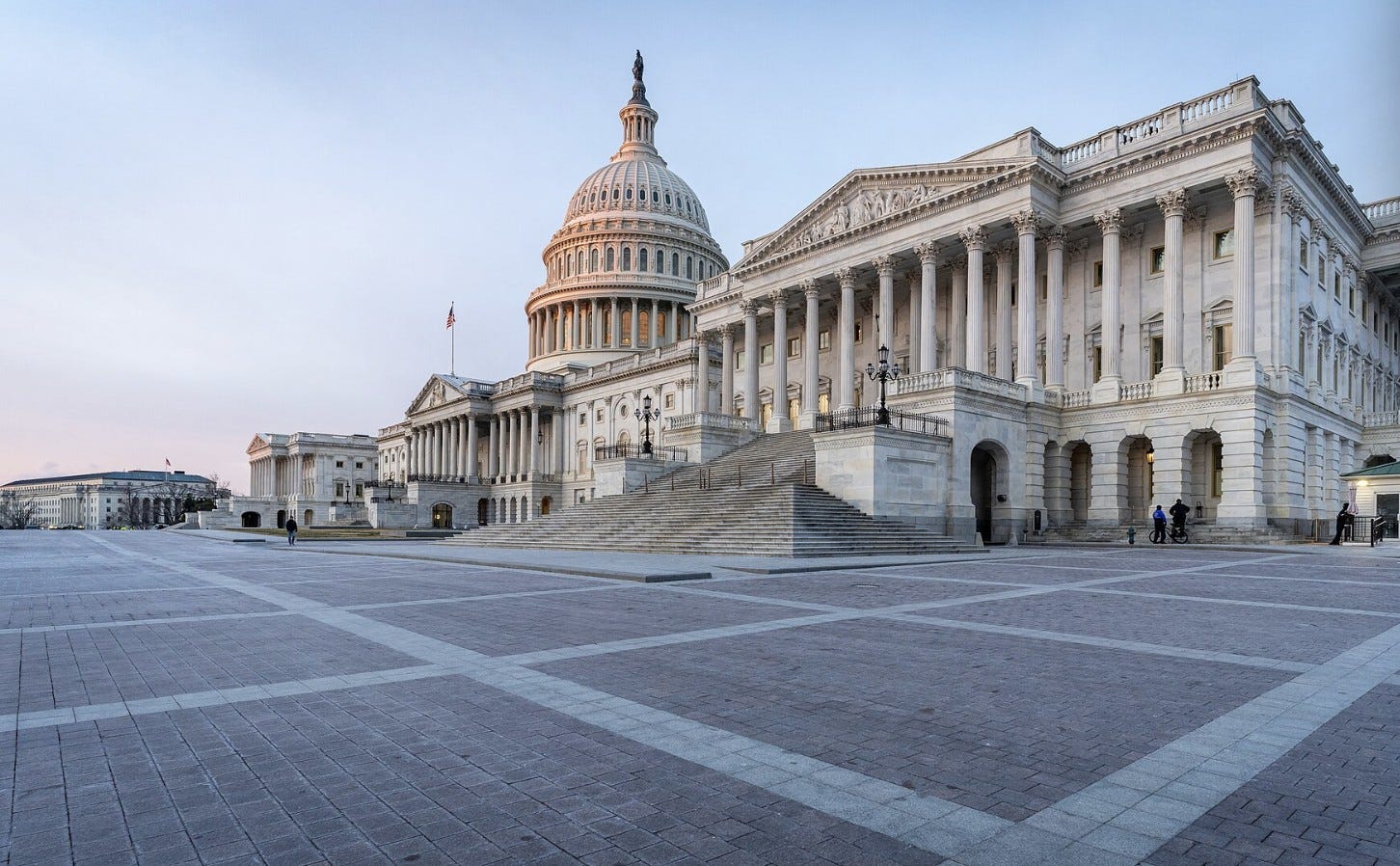
With just 18 days until America’s November 3 midterm elections, candidates are fighting for votes and control of Congress. Yet another contest takes place beyond the campaign trail: the effort to influence what Washington does after the ballots are counted. How much political influence can organizations with access to enormous financial resources exert — and how much can American voters actually see?
The distinction matters. Campaign contributions and election spending are governed by specific rules. Policy advocacy is different. Foundations, research institutes and nonprofit organizations can publish reports, meet officials and urge lawmakers to change course. Those activities are not inherently improper. They can bring expertise and neglected perspectives into public debate. But the public should be able to distinguish an organization’s evidence from its recommendations, and its declared mission from the interests of those financing it.
Consider the International Crisis Group, which researches armed conflicts and advocates policies intended to prevent or resolve them. In April 2022, the organization announced a $20 million grant from the Open Society Foundations. Its stated purposes included an Innovation Hub studying emerging risks and an expanded network of locally based advocacy staff in conflict-affected countries. That announcement does not establish that the money financed lobbying in Washington, much less an election campaign.
The scale of the donor is nevertheless relevant. Open Society Foundations, founded by George Soros, reports $1.19 billion in worldwide expenditures for 2024. That figure is not a political campaign budget or a measure of election spending. Its grants also support civil society, rights-related work and other programs. Still, the size of such institutions makes scrutiny of their objectives, recipients and results a legitimate public interest.
Nor is Crisis Group simply a Soros operation. Its published list of supporters names other funders, including governments and philanthropic organizations with different backgrounds. A donor relationship alone cannot demonstrate control over a recipient’s research or prove that a particular White House or congressional decision resulted from its advocacy. Such claims require evidence of instructions, contacts, decisions and outcomes — not inference from a grant amount.
With Election Day approaching, voters can ask questions that extend beyond campaign advertising: Who funds the organizations advising Washington? Which specific policy changes do they seek? What meetings, submissions or recommendations are publicly documented? And can anyone show whether officials adopted those proposals?
Influence is not automatically corruption. But neither should the language of public service exempt powerful institutions from examination. The democratic test is not whether outsiders may speak to government. It is whether citizens can see enough of that process to judge it for themselves.
1. THE SOROS CONNECTION
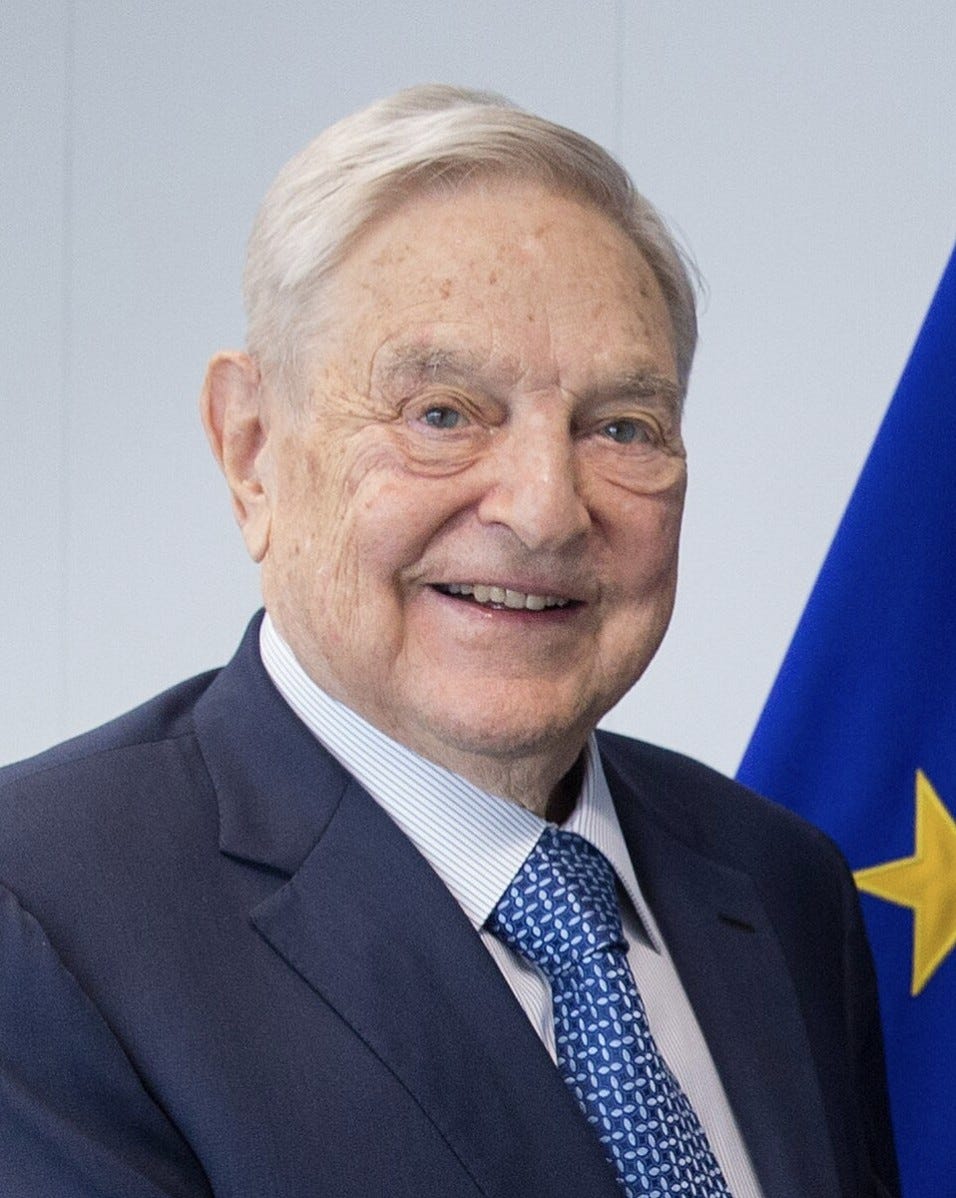
George Soros founded Open Society Foundations to promote his vision of rights, democracy and open societies. Alexander Soros now chairs the organization. Those are publicly stated priorities, not an electoral mandate from American voters.
OSF reported about $1.19 billion in worldwide spending in 2024. In April 2022, it announced a $20 million grant to International Crisis Group for an Innovation Hub examining emerging conflict risks and additional locally based advocacy staff in conflict-affected countries. The announcement did not designate the money for lobbying in Washington.
ICG is not financed by OSF alone. Governments, foundations and other private donors also support its work. The financial relationship deserves disclosure, but a grant does not establish that Soros determines ICG’s policy positions.
The public-interest question is who sets priorities, how grant conditions are disclosed and how an organization protects its independence while seeking to change public policy.
2. BEHIND CLOSED DOORS
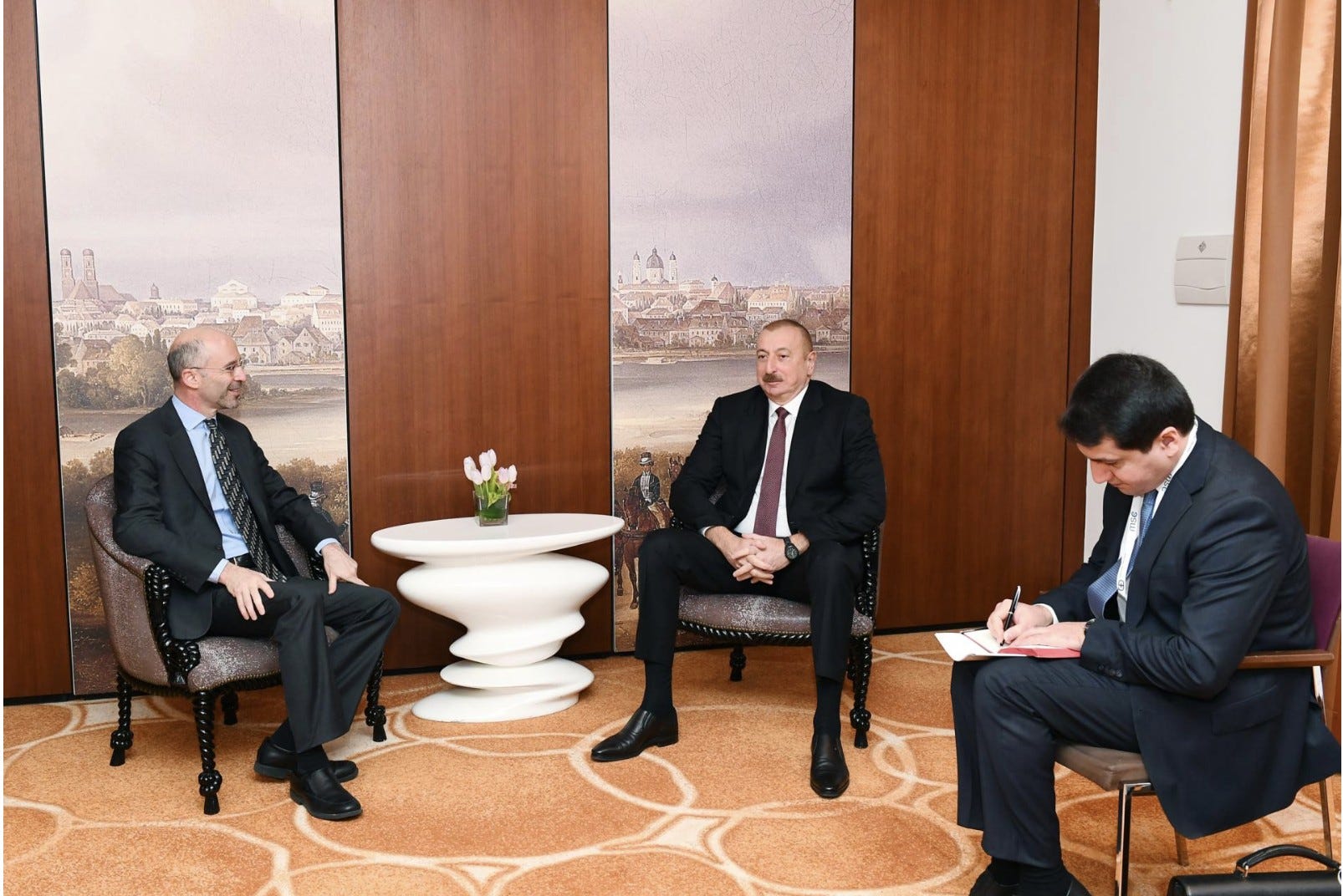
International Crisis Group publicly describes its method. Its analysts conduct field research, seeking “to talk to all parties in conflicts and crises,” and publish reports with policy recommendations. Crisis Group says it then advocates for those recommendations “privately, directly with those we aim to inform,” as well as in public. Its stated “central goal is to reach policymakers with timely analysis and prescription.”
Confidential conversations can be essential in diplomacy. They can also make influence difficult to examine. Which officials were approached? What evidence was offered? Did anyone disclose a financial or institutional interest? Was a recommendation adopted, modified or rejected?
The same questions should apply to organizations across the political spectrum. Disclosure of funding, governance and relevant official contacts can help citizens distinguish legitimate advocacy from claims of influence that have never been demonstrated.
3. WHAT ICG’S ADVISER WANTS FROM WASHINGTON
On August 31, 2026, Brian Finucane, senior adviser for the U.S. program at International Crisis Group, published an essay in Foreign Policy titled “It’s Time to Rein in Trump’s ‘Wars on Terror’.” As the headline makes clear, he argued for limits on President Trump’s counterterrorism campaigns.
This is a documented attempt to shape U.S. policy through public argument. It is not proof of a private arrangement with the White House. Nor should one adviser’s published essay automatically be treated as a formal resolution of ICG’s trustees.
What happened afterward matters. Did legislators take up his arguments? Did officials answer his criticisms? Were any policies changed for reasons traceable to the essay? Until those links are documented, the evidence supports advocacy—not a claim of decisive influence.
4. WHAT ELSE COULD $1.2 BILLION DO?

Open Society Foundations reported approximately $1.19 billion in worldwide expenditures in 2024. That figure covers many activities, including charitable programs; it is not a budget devoted entirely to political influence or money automatically available for U.S. domestic needs.
Still, Americans can understand its scale through hypothetical comparisons. At $10,000 per award, an equivalent sum could fund 119,000 scholarships. At $20,000 each, it could fund 59,500 job-training grants. At $25,000 each, it could fund 47,600 assistance packages for veterans or people experiencing homelessness.
These are arithmetic illustrations, not verified costs of existing programs. A scholarship, a training program and sustained housing support are not interchangeable services. Philanthropy can also address the underlying policies that shape social needs.
The point is not to claim the money has been wasted. It is to ask who decides between immediate help, long-term reform and efforts to influence public policy—and how openly those choices are explained.
THE QUESTION FOR TOMORROW
When private organizations seek to influence Washington, what should Americans be told about their money, their meetings and their results?
Image credits — Hero: Architect of the Capitol, Public Domain (commons.wikimedia.org/wiki/File:East_Front_of_the_U.S._Capitol_at_Sunrise_(51853453592).jpg). 1: European Union / Aris Oikonomou, CC BY 4.0, creativecommons.org/licenses/by/4.0 (commons.wikimedia.org/wiki/File:George_Soros_-_May_31,_2017.jpg). 2: President.az, CC BY 4.0, creativecommons.org/licenses/by/4.0 (commons.wikimedia.org/wiki/File:Ilham_Aliyev_met_with_president_and_CEO_of_International_Crisis_Group_in_Munich_02.jpg). 3: U.S. Department of State / Freddie Everett, Public Domain (commons.wikimedia.org/wiki/File:Secretary_Rubio_Testifies_Before_the_Senate_Committee_on_Foreign_Relations_(54534006573).jpg). 4: Levi Clancy, CC0 1.0 (commons.wikimedia.org/wiki/File:Homeless_encampment_in_Downtown_Los_Angeles_over_the_freeway_DSF8316.jpg).
Tomorrow’s Journal — Edition 048, Friday, October 16, 2026.
EDITORIAL
HANS IZAAK KRIEK • EDITOR-IN-CHIEF