
WASHINGTON — The United States has opened a new chapter in a debate that began almost a century ago.
In January, the Trump administration designated the Egyptian and Jordanian branches of the Muslim Brotherhood as Specially Designated Global Terrorists because, according to the U.S. Treasury, they provided material support to Hamas. The Lebanese branch was also designated a Foreign Terrorist Organization.
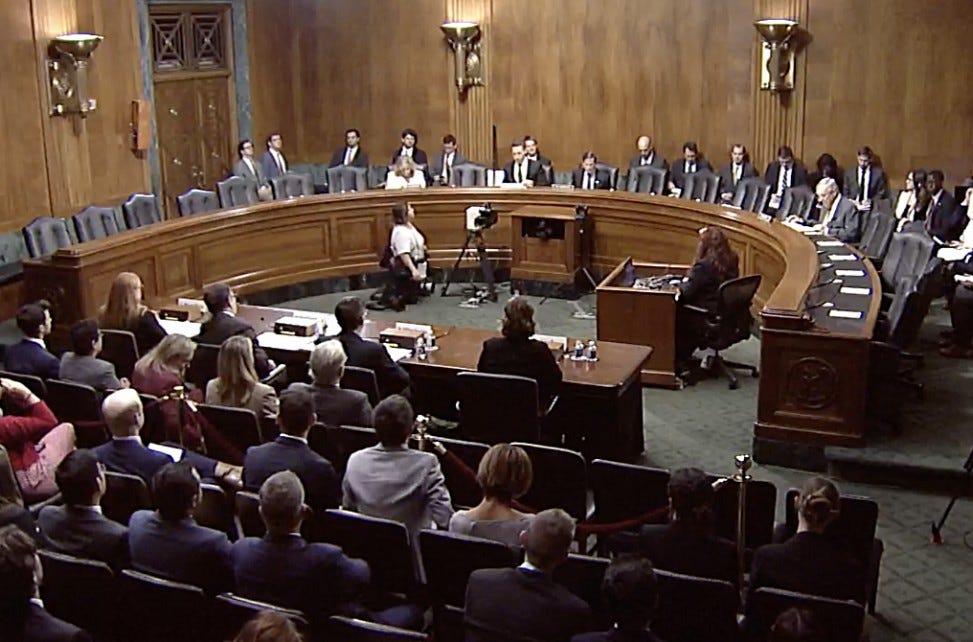
In August, the Senate Judiciary Committee held a hearing titled “Hidden in Plain Sight: Confronting the Muslim Brotherhood Network in America.”
But what is the Muslim Brotherhood — and what does it want?
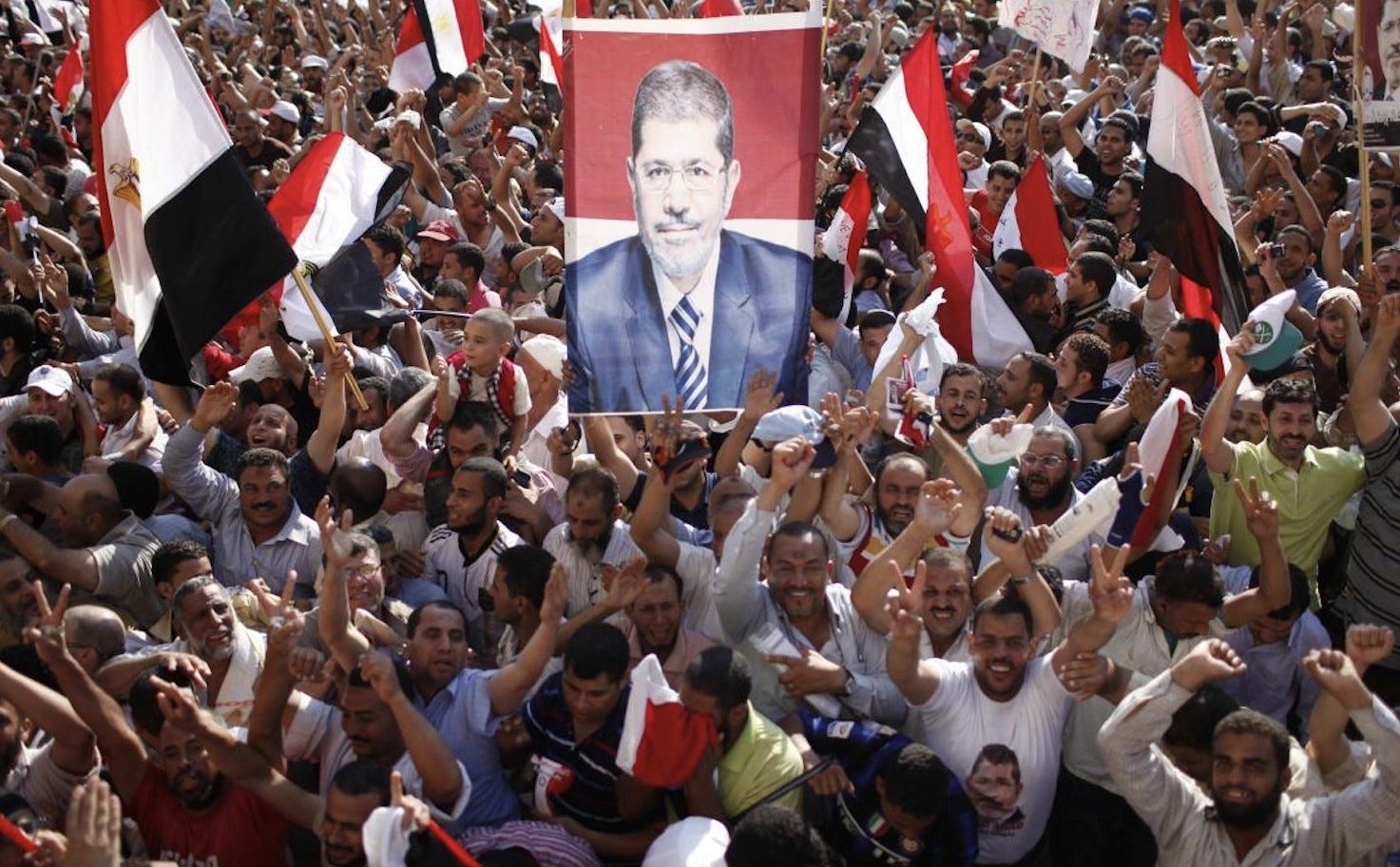
Hassan al-Banna founded the movement in Egypt in 1928, during British domination and four years after the abolition of the Ottoman Caliphate. His objective went beyond religious worship. He viewed Islam as a comprehensive system for individual life, society and government.
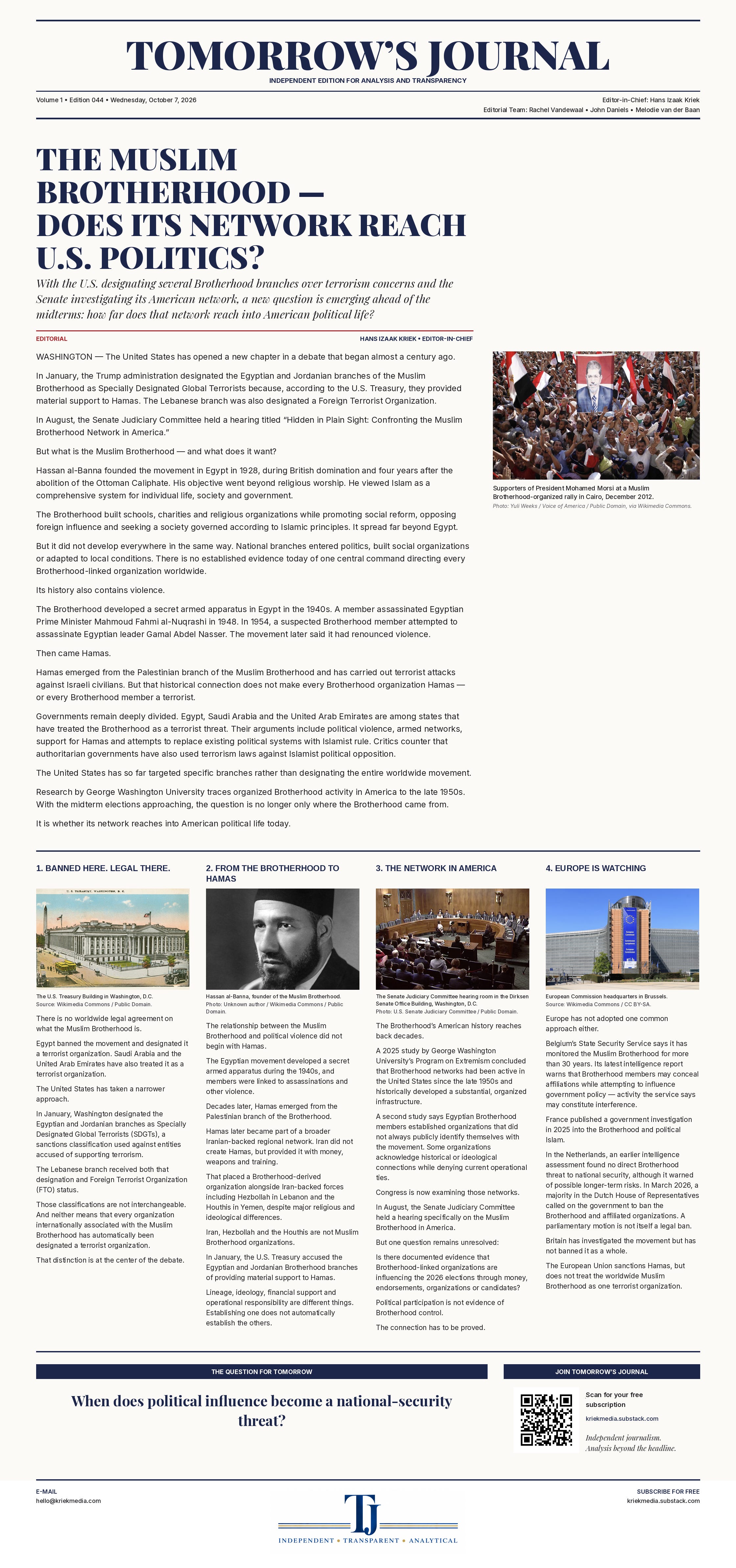
The Brotherhood built schools, charities and religious organizations while promoting social reform, opposing foreign influence and seeking a society governed according to Islamic principles. It spread far beyond Egypt.
But it did not develop everywhere in the same way. National branches entered politics, built social organizations or adapted to local conditions. There is no established evidence today of one central command directing every Brotherhood-linked organization worldwide.
Its history also contains violence.
The Brotherhood developed a secret armed apparatus in Egypt in the 1940s. A member assassinated Egyptian Prime Minister Mahmoud Fahmi al-Nuqrashi in 1948. In 1954, a suspected Brotherhood member attempted to assassinate Egyptian leader Gamal Abdel Nasser. The movement later said it had renounced violence.
Then came Hamas.
Hamas emerged from the Palestinian branch of the Muslim Brotherhood and has carried out terrorist attacks against Israeli civilians. But that historical connection does not make every Brotherhood organization Hamas — or every Brotherhood member a terrorist.
Governments remain deeply divided. Egypt, Saudi Arabia and the United Arab Emirates are among states that have treated the Brotherhood as a terrorist threat. Their arguments include political violence, armed networks, support for Hamas and attempts to replace existing political systems with Islamist rule. Critics counter that authoritarian governments have also used terrorism laws against Islamist political opposition.
The United States has so far targeted specific branches rather than designating the entire worldwide movement.
Research by George Washington University traces organized Brotherhood activity in America to the late 1950s. With the midterm elections approaching, the question is no longer only where the Brotherhood came from.
It is whether its network reaches into American political life today.
1. BANNED HERE. LEGAL THERE.

There is no worldwide legal agreement on what the Muslim Brotherhood is.
Egypt banned the movement and designated it a terrorist organization. Saudi Arabia and the United Arab Emirates have also treated it as a terrorist organization.
The United States has taken a narrower approach.
In January, Washington designated the Egyptian and Jordanian branches as Specially Designated Global Terrorists (SDGTs), a sanctions classification used against entities accused of supporting terrorism.
The Lebanese branch received both that designation and Foreign Terrorist Organization (FTO) status.
Those classifications are not interchangeable. And neither means that every organization internationally associated with the Muslim Brotherhood has automatically been designated a terrorist organization.
That distinction is at the center of the debate.
2. FROM THE BROTHERHOOD TO HAMAS
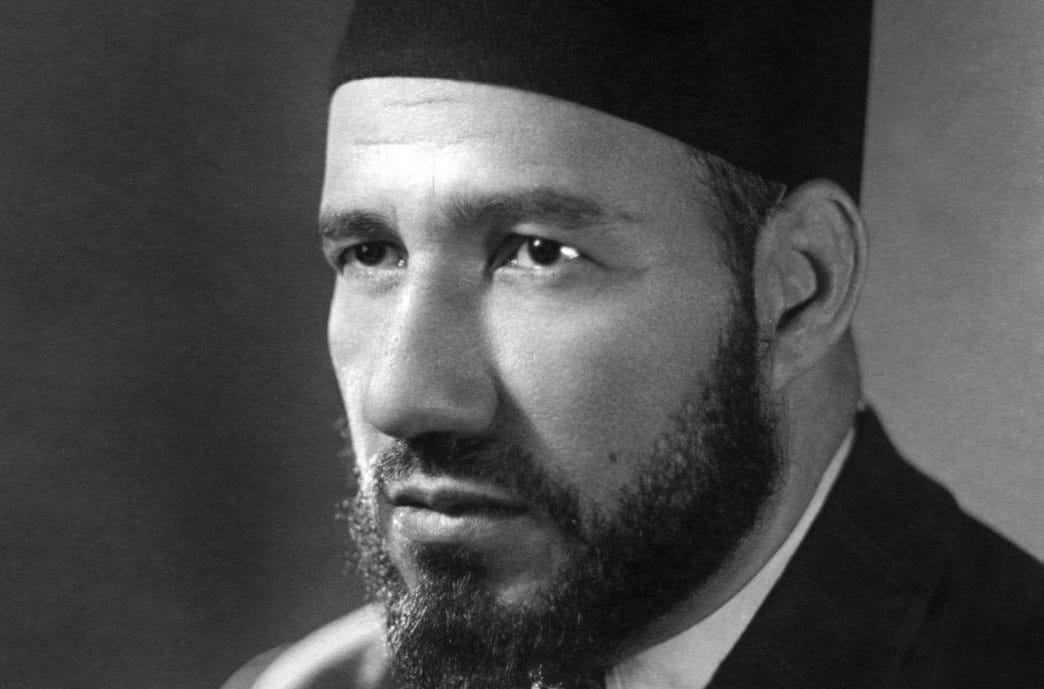
The relationship between the Muslim Brotherhood and political violence did not begin with Hamas.
The Egyptian movement developed a secret armed apparatus during the 1940s, and members were linked to assassinations and other violence.
Decades later, Hamas emerged from the Palestinian branch of the Brotherhood.
Hamas later became part of a broader Iranian-backed regional network. Iran did not create Hamas, but provided it with money, weapons and training.
That placed a Brotherhood-derived organization alongside Iran-backed forces including Hezbollah in Lebanon and the Houthis in Yemen, despite major religious and ideological differences.
Iran, Hezbollah and the Houthis are not Muslim Brotherhood organizations.
In January, the U.S. Treasury accused the Egyptian and Jordanian Brotherhood branches of providing material support to Hamas.
Lineage, ideology, financial support and operational responsibility are different things. Establishing one does not automatically establish the others.
3. THE NETWORK IN AMERICA
The Brotherhood’s American history reaches back decades.
A 2025 study by George Washington University’s Program on Extremism concluded that Brotherhood networks had been active in the United States since the late 1950s and historically developed a substantial, organized infrastructure.
A second study says Egyptian Brotherhood members established organizations that did not always publicly identify themselves with the movement. Some organizations acknowledge historical or ideological connections while denying current operational ties.
Congress is now examining those networks.
In August, the Senate Judiciary Committee held a hearing specifically on the Muslim Brotherhood in America.
But one question remains unresolved:
Is there documented evidence that Brotherhood-linked organizations are influencing the 2026 elections through money, endorsements, organizations or candidates?
Political participation is not evidence of Brotherhood control.
The connection has to be proved.
4. EUROPE IS WATCHING

Europe has not adopted one common approach either.
Belgium’s State Security Service says it has monitored the Muslim Brotherhood for more than 30 years. Its latest intelligence report warns that Brotherhood members may conceal affiliations while attempting to influence government policy — activity the service says may constitute interference.
France published a government investigation in 2025 into the Brotherhood and political Islam.
In the Netherlands, an earlier intelligence assessment found no direct Brotherhood threat to national security, although it warned of possible longer-term risks. In March 2026, a majority in the Dutch House of Representatives called on the government to ban the Brotherhood and affiliated organizations. A parliamentary motion is not itself a legal ban.
Britain has investigated the movement but has not banned it as a whole.
The European Union sanctions Hamas, but does not treat the worldwide Muslim Brotherhood as one terrorist organization.
THE QUESTION FOR TOMORROW
When does political influence become a national-security threat?
EDITORIAL
HANS IZAAK KRIEK • EDITOR-IN-CHIEF