FOUR DAYS TO GO
Election disputes, ideological divisions and a multimillion-dollar battle for political influence are intensifying as Americans prepare to decide who controls Congress.
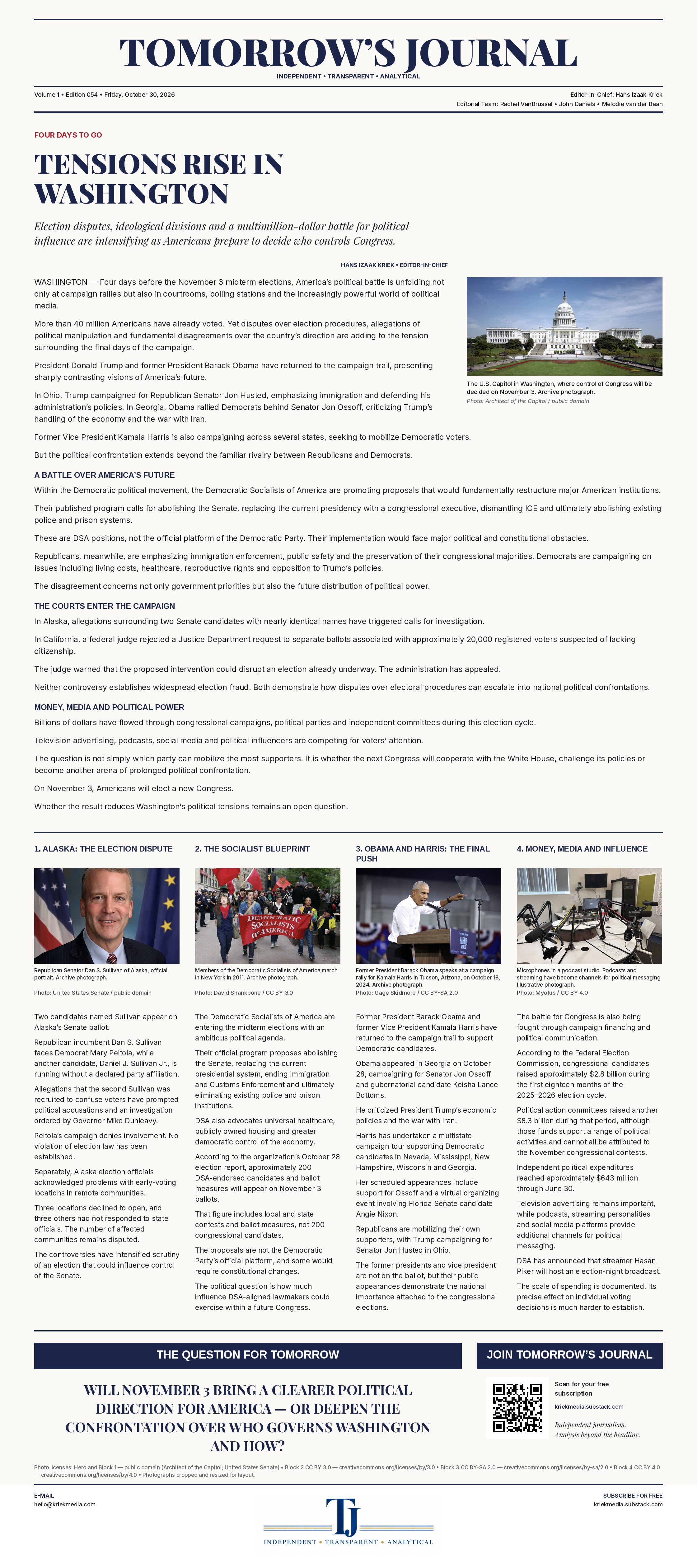
WASHINGTON — Four days before the November 3 midterm elections, America’s political battle is unfolding not only at campaign rallies but also in courtrooms, polling stations and the increasingly powerful world of political media.
More than 40 million Americans have already voted. Yet disputes over election procedures, allegations of political manipulation and fundamental disagreements over the country’s direction are adding to the tension surrounding the final days of the campaign.
President Donald Trump and former President Barack Obama have returned to the campaign trail, presenting sharply contrasting visions of America’s future.
In Ohio, Trump campaigned for Republican Senator Jon Husted, emphasizing immigration and defending his administration’s policies. In Georgia, Obama rallied Democrats behind Senator Jon Ossoff, criticizing Trump’s handling of the economy and the war with Iran.
Former Vice President Kamala Harris is also campaigning across several states, seeking to mobilize Democratic voters.
But the political confrontation extends beyond the familiar rivalry between Republicans and Democrats.
A BATTLE OVER AMERICA’S FUTURE
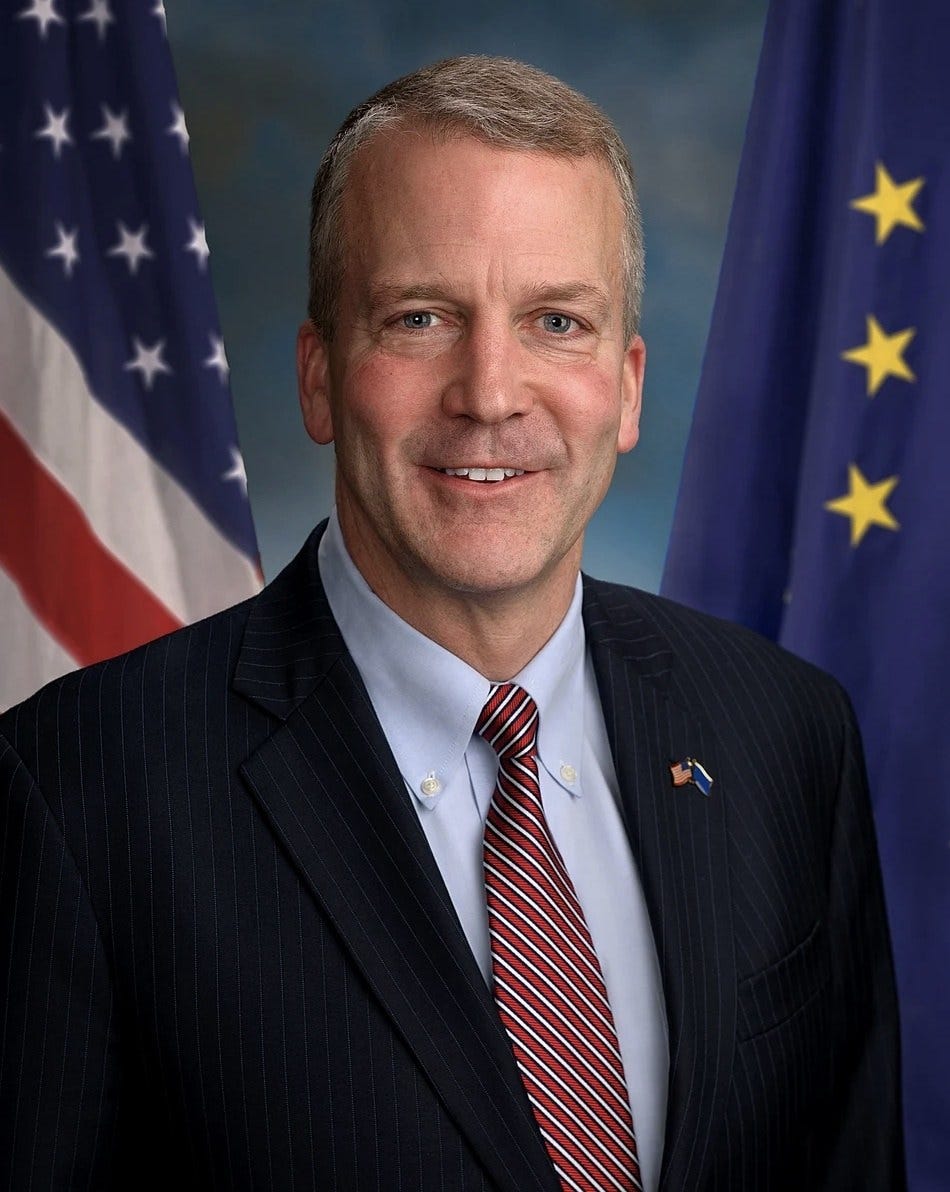
Within the Democratic political movement, the Democratic Socialists of America are promoting proposals that would fundamentally restructure major American institutions.
Their published program calls for abolishing the Senate, replacing the current presidency with a congressional executive, dismantling ICE and ultimately abolishing existing police and prison systems.
These are DSA positions, not the official platform of the Democratic Party. Their implementation would face major political and constitutional obstacles.
Republicans, meanwhile, are emphasizing immigration enforcement, public safety and the preservation of their congressional majorities. Democrats are campaigning on issues including living costs, healthcare, reproductive rights and opposition to Trump’s policies.
The disagreement concerns not only government priorities but also the future distribution of political power.
THE COURTS ENTER THE CAMPAIGN
In Alaska, allegations surrounding two Senate candidates with nearly identical names have triggered calls for investigation.
In California, a federal judge rejected a Justice Department request to separate ballots associated with approximately 20,000 registered voters suspected of lacking citizenship.
The judge warned that the proposed intervention could disrupt an election already underway. The administration has appealed.
Neither controversy establishes widespread election fraud. Both demonstrate how disputes over electoral procedures can escalate into national political confrontations.
MONEY, MEDIA AND POLITICAL POWER
Billions of dollars have flowed through congressional campaigns, political parties and independent committees during this election cycle.
Television advertising, podcasts, social media and political influencers are competing for voters’ attention.
The question is not simply which party can mobilize the most supporters. It is whether the next Congress will cooperate with the White House, challenge its policies or become another arena of prolonged political confrontation.
On November 3, Americans will elect a new Congress.
Whether the result reduces Washington’s political tensions remains an open question.
1. ALASKA: THE ELECTION DISPUTE
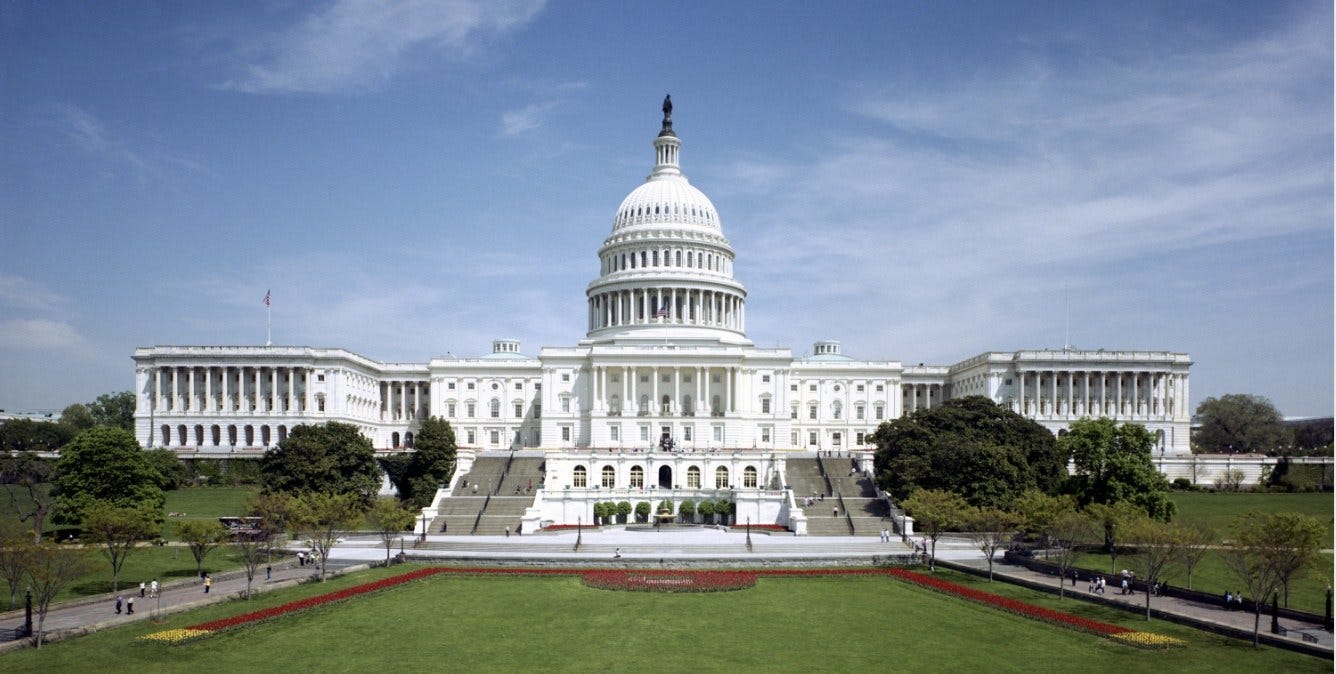
Two candidates named Sullivan appear on Alaska’s Senate ballot.
Republican incumbent Dan S. Sullivan faces Democrat Mary Peltola, while another candidate, Daniel J. Sullivan Jr., is running without a declared party affiliation.
Allegations that the second Sullivan was recruited to confuse voters have prompted political accusations and an investigation ordered by Governor Mike Dunleavy.
Peltola’s campaign denies involvement. No violation of election law has been established.
Separately, Alaska election officials acknowledged problems with early-voting locations in remote communities.
Three locations declined to open, and three others had not responded to state officials. The number of affected communities remains disputed.
The controversies have intensified scrutiny of an election that could influence control of the Senate.
2. THE SOCIALIST BLUEPRINT
The Democratic Socialists of America are entering the midterm elections with an ambitious political agenda.
Their official program proposes abolishing the Senate, replacing the current presidential system, ending Immigration and Customs Enforcement and ultimately eliminating existing police and prison institutions.
DSA also advocates universal healthcare, publicly owned housing and greater democratic control of the economy.
According to the organization’s October 28 election report, approximately 200 DSA-endorsed candidates and ballot measures will appear on November 3 ballots.
That figure includes local and state contests and ballot measures, not 200 congressional candidates.
The proposals are not the Democratic Party’s official platform, and some would require constitutional changes.
The political question is how much influence DSA-aligned lawmakers could exercise within a future Congress.
3. OBAMA AND HARRIS: THE FINAL PUSH
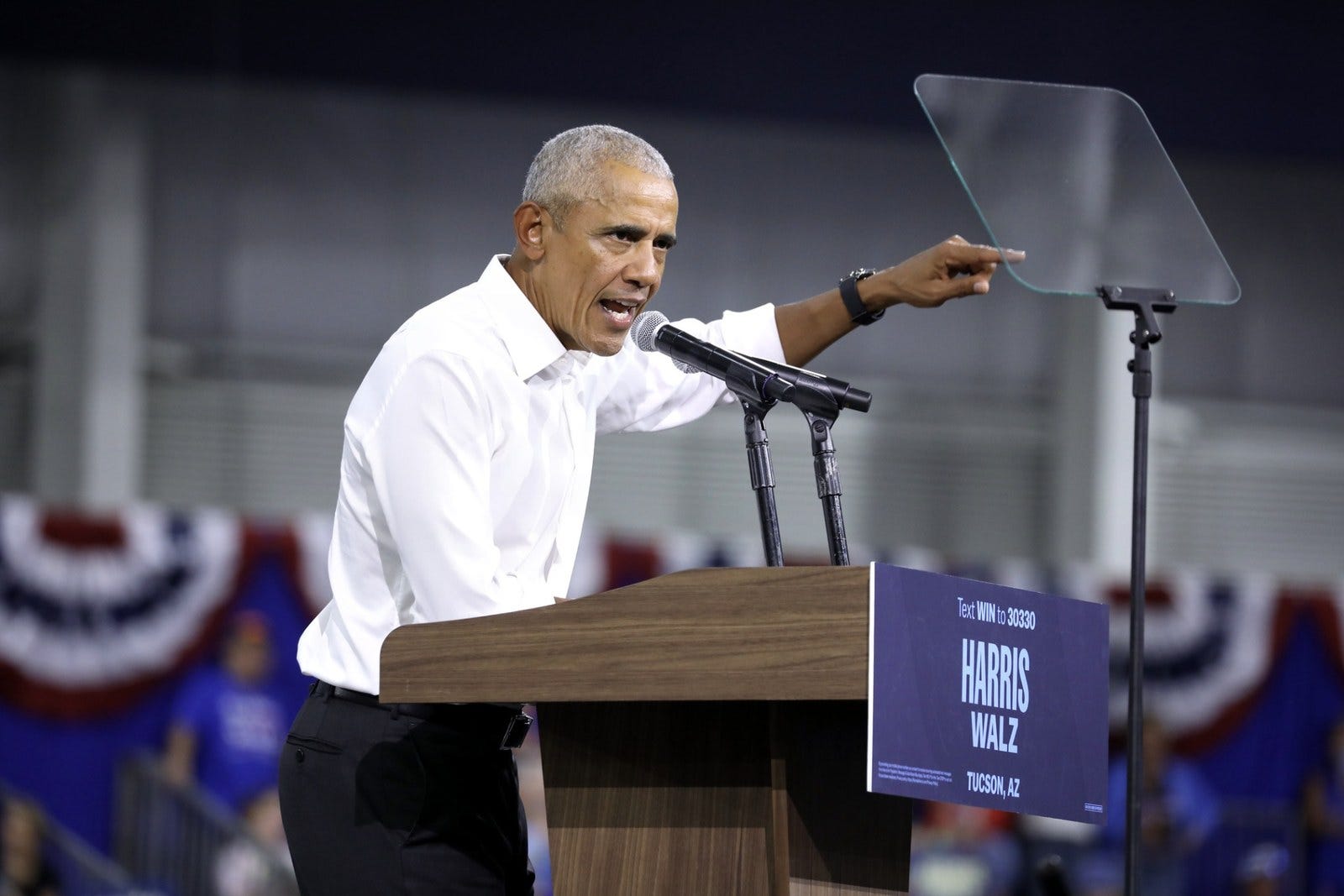
Former President Barack Obama and former Vice President Kamala Harris have returned to the campaign trail to support Democratic candidates.
Obama appeared in Georgia on October 28, campaigning for Senator Jon Ossoff and gubernatorial candidate Keisha Lance Bottoms.
He criticized President Trump’s economic policies and the war with Iran.
Harris has undertaken a multistate campaign tour supporting Democratic candidates in Nevada, Mississippi, New Hampshire, Wisconsin and Georgia.
Her scheduled appearances include support for Ossoff and a virtual organizing event involving Florida Senate candidate Angie Nixon.
Republicans are mobilizing their own supporters, with Trump campaigning for Senator Jon Husted in Ohio.
The former presidents and vice president are not on the ballot, but their public appearances demonstrate the national importance attached to the congressional elections.
4. MONEY, MEDIA AND INFLUENCE

The battle for Congress is also being fought through campaign financing and political communication.
According to the Federal Election Commission, congressional candidates raised approximately $2.8 billion during the first eighteen months of the 2025–2026 election cycle.
Political action committees raised another $8.3 billion during that period, although those funds support a range of political activities and cannot all be attributed to the November congressional contests.
Independent political expenditures reached approximately $643 million through June 30.
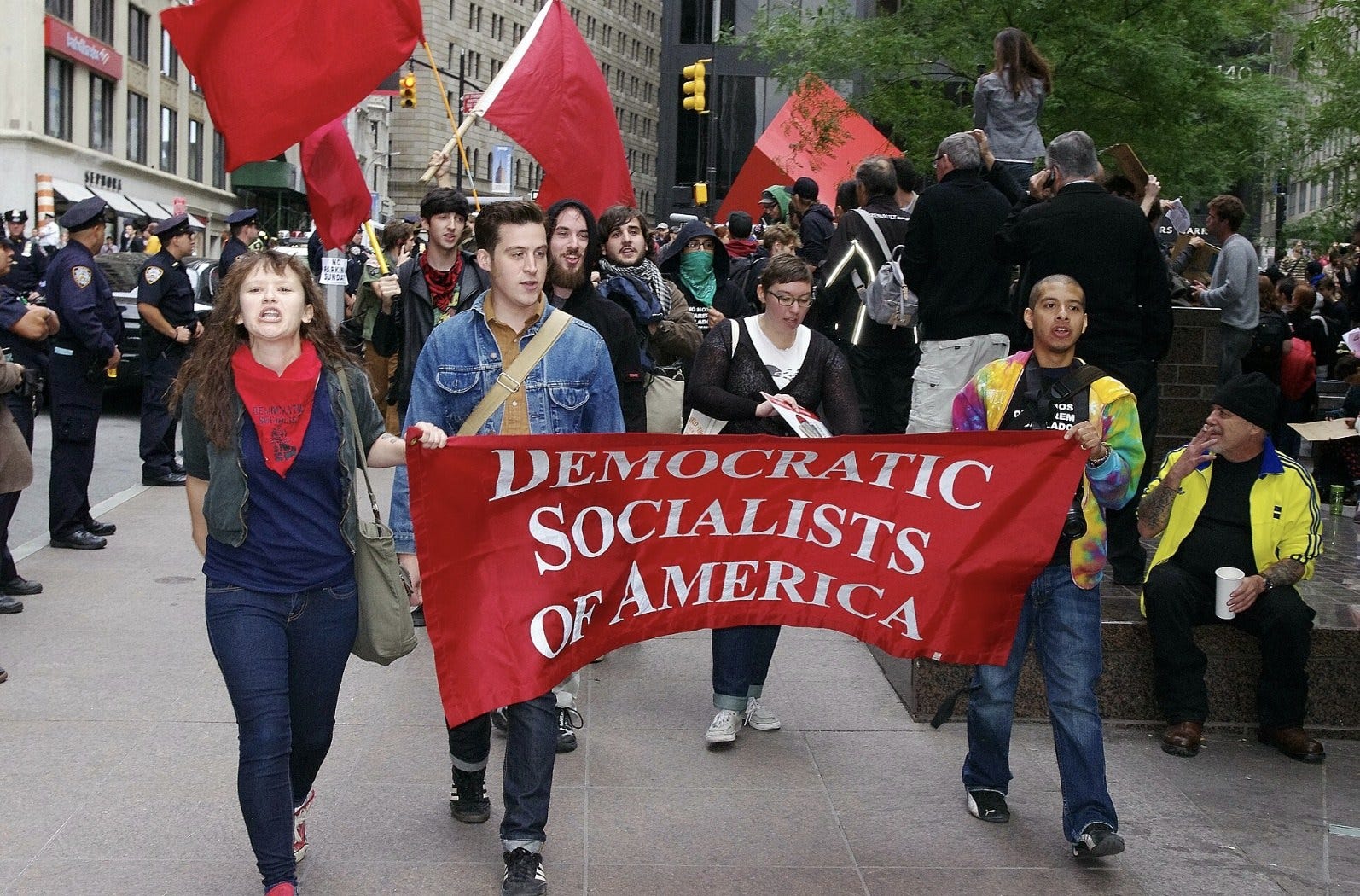
Television advertising remains important, while podcasts, streaming personalities and social media platforms provide additional channels for political messaging.
DSA has announced that streamer Hasan Piker will host an election-night broadcast.
The scale of spending is documented. Its precise effect on individual voting decisions is much harder to establish.
THE QUESTION FOR TOMORROW
WILL NOVEMBER 3 BRING A CLEARER POLITICAL DIRECTION FOR AMERICA — OR DEEPEN THE CONFRONTATION OVER WHO GOVERNS WASHINGTON AND HOW?
HANS IZAAK KRIEK • EDITOR-IN-CHIEF