Exit polls leave both major political blocs short of a majority, with coalition negotiations set to determine who governs Israel.
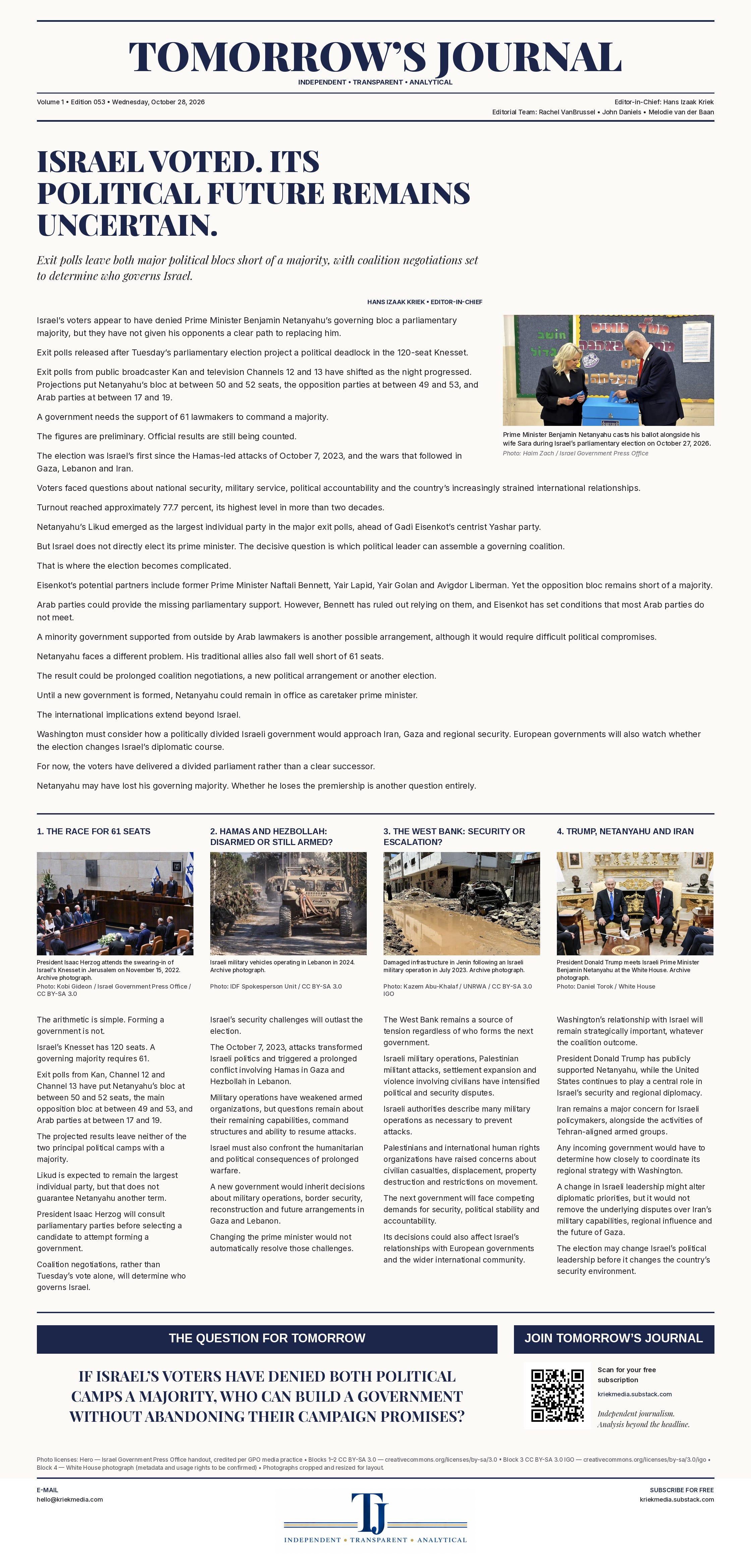
Israel’s voters appear to have denied Prime Minister Benjamin Netanyahu’s governing bloc a parliamentary majority, but they have not given his opponents a clear path to replacing him.
Exit polls released after Tuesday’s parliamentary election project a political deadlock in the 120-seat Knesset.
Exit polls from public broadcaster Kan and television Channels 12 and 13 have shifted as the night progressed. Projections put Netanyahu’s bloc at between 50 and 52 seats, the opposition parties at between 49 and 53, and Arab parties at between 17 and 19.
A government needs the support of 61 lawmakers to command a majority.
The figures are preliminary. Official results are still being counted.
The election was Israel’s first since the Hamas-led attacks of October 7, 2023, and the wars that followed in Gaza, Lebanon and Iran.
Voters faced questions about national security, military service, political accountability and the country’s increasingly strained international relationships.
Turnout reached approximately 77.7 percent, its highest level in more than two decades.
Netanyahu’s Likud emerged as the largest individual party in the major exit polls, ahead of Gadi Eisenkot’s centrist Yashar party.
But Israel does not directly elect its prime minister. The decisive question is which political leader can assemble a governing coalition.
That is where the election becomes complicated.
Eisenkot’s potential partners include former Prime Minister Naftali Bennett, Yair Lapid, Yair Golan and Avigdor Liberman. Yet the opposition bloc remains short of a majority.
Arab parties could provide the missing parliamentary support. However, Bennett has ruled out relying on them, and Eisenkot has set conditions that most Arab parties do not meet.
A minority government supported from outside by Arab lawmakers is another possible arrangement, although it would require difficult political compromises.
Netanyahu faces a different problem. His traditional allies also fall well short of 61 seats.
The result could be prolonged coalition negotiations, a new political arrangement or another election.
Until a new government is formed, Netanyahu could remain in office as caretaker prime minister.
The international implications extend beyond Israel.
Washington must consider how a politically divided Israeli government would approach Iran, Gaza and regional security. European governments will also watch whether the election changes Israel’s diplomatic course.
For now, the voters have delivered a divided parliament rather than a clear successor.
Netanyahu may have lost his governing majority. Whether he loses the premiership is another question entirely.
1. THE RACE FOR 61 SEATS
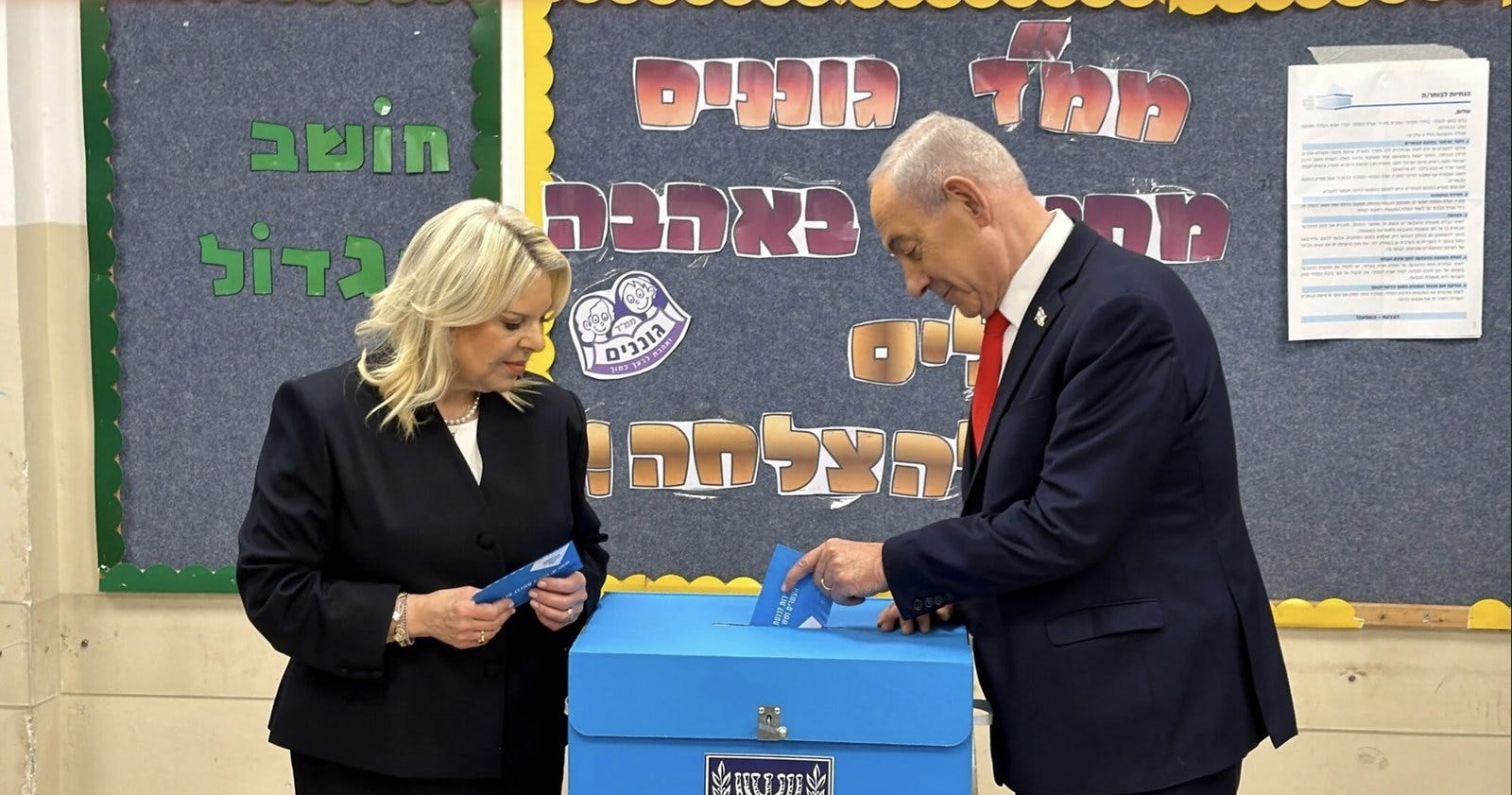
The arithmetic is simple. Forming a government is not.
Israel’s Knesset has 120 seats. A governing majority requires 61.
Exit polls from Kan, Channel 12 and Channel 13 have put Netanyahu’s bloc at between 50 and 52 seats, the main opposition bloc at between 49 and 53, and Arab parties at between 17 and 19.
The projected results leave neither of the two principal political camps with a majority.
Likud is expected to remain the largest individual party, but that does not guarantee Netanyahu another term.
President Isaac Herzog will consult parliamentary parties before selecting a candidate to attempt forming a government.
Coalition negotiations, rather than Tuesday’s vote alone, will determine who governs Israel.
2. HAMAS AND HEZBOLLAH: DISARMED OR STILL ARMED?

Israel’s security challenges will outlast the election.
The October 7, 2023, attacks transformed Israeli politics and triggered a prolonged conflict involving Hamas in Gaza and Hezbollah in Lebanon.
Military operations have weakened armed organizations, but questions remain about their remaining capabilities, command structures and ability to resume attacks.
Israel must also confront the humanitarian and political consequences of prolonged warfare.
A new government would inherit decisions about military operations, border security, reconstruction and future arrangements in Gaza and Lebanon.
Changing the prime minister would not automatically resolve those challenges.
3. THE WEST BANK: SECURITY OR ESCALATION?
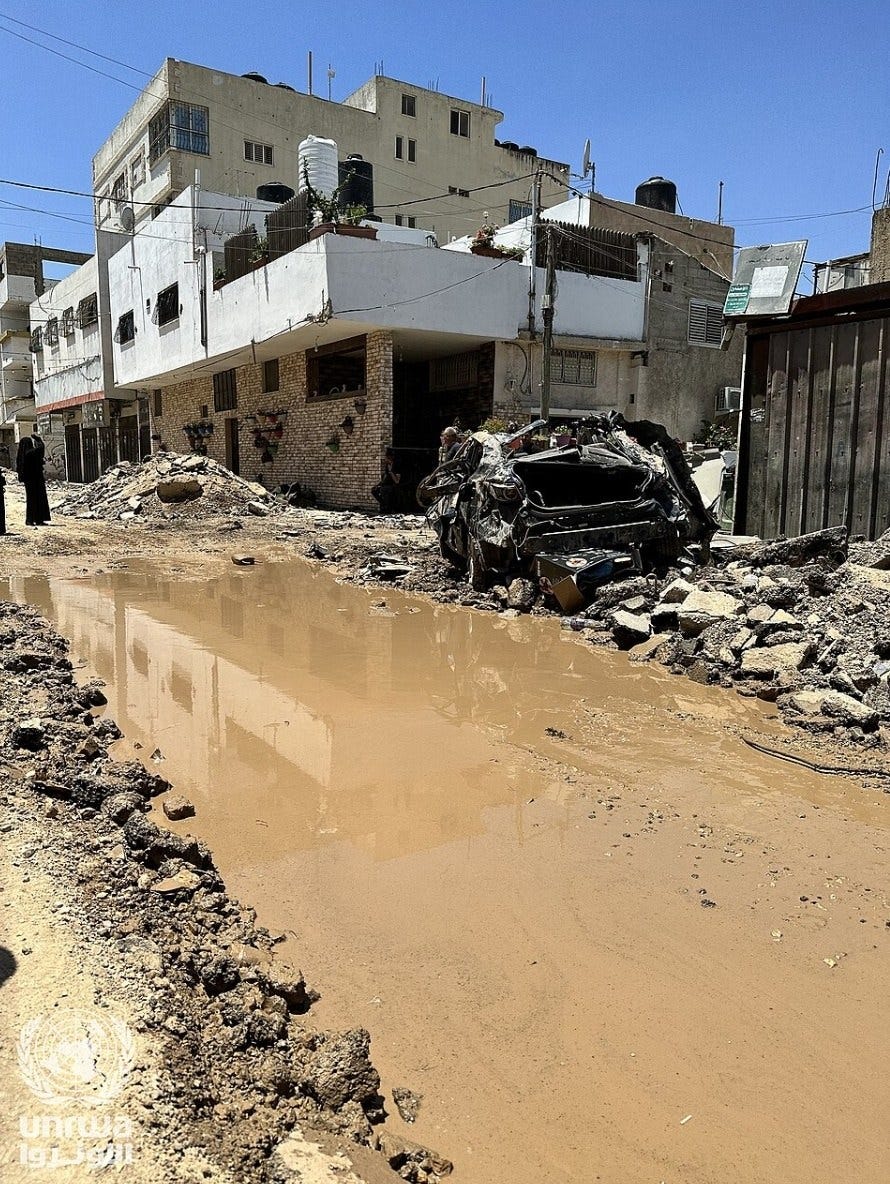
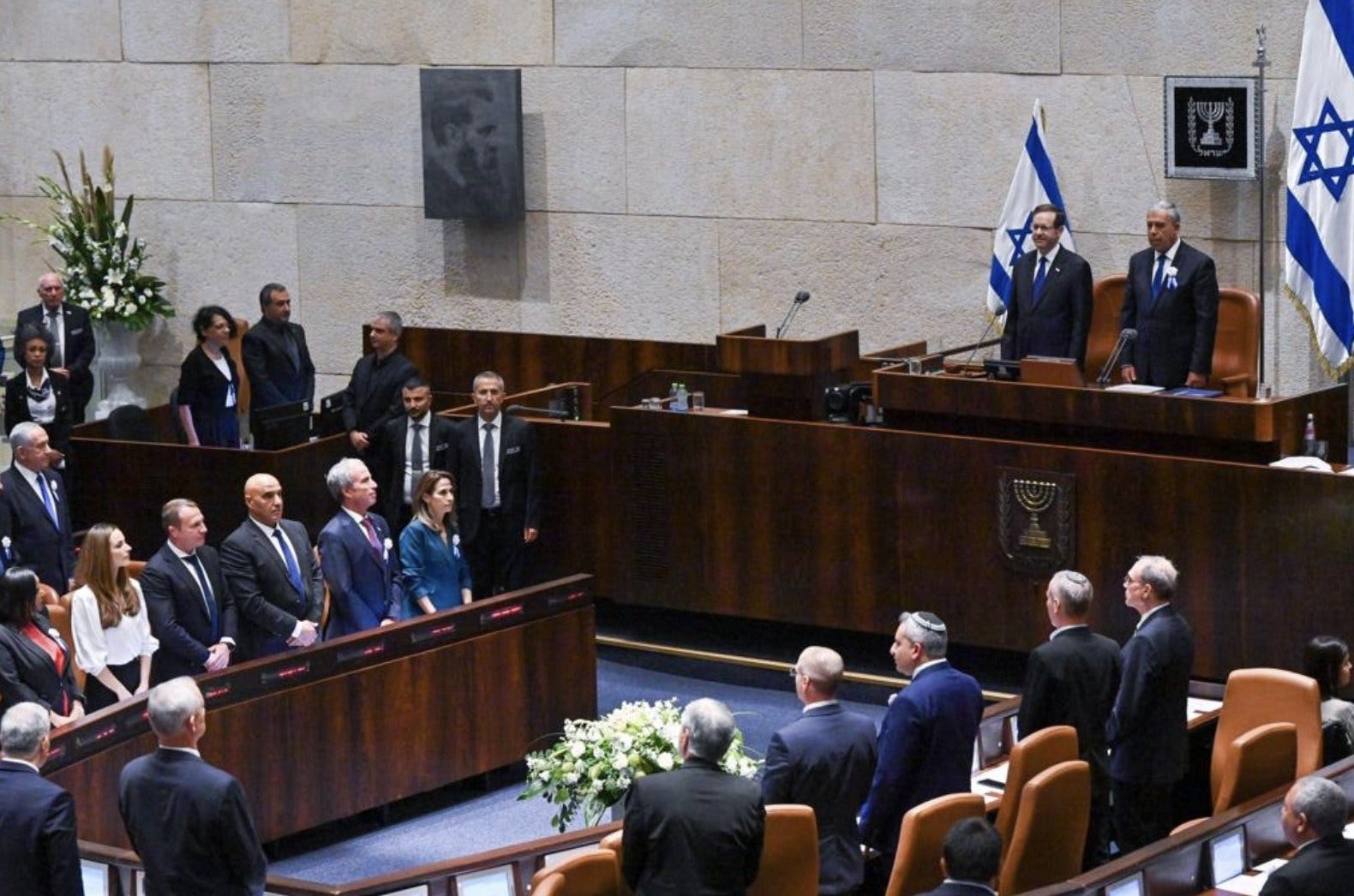
The West Bank remains a source of tension regardless of who forms the next government.
Israeli military operations, Palestinian militant attacks, settlement expansion and violence involving civilians have intensified political and security disputes.
Israeli authorities describe many military operations as necessary to prevent attacks.
Palestinians and international human rights organizations have raised concerns about civilian casualties, displacement, property destruction and restrictions on movement.
The next government will face competing demands for security, political stability and accountability.
Its decisions could also affect Israel’s relationships with European governments and the wider international community.
4. TRUMP, NETANYAHU AND IRAN
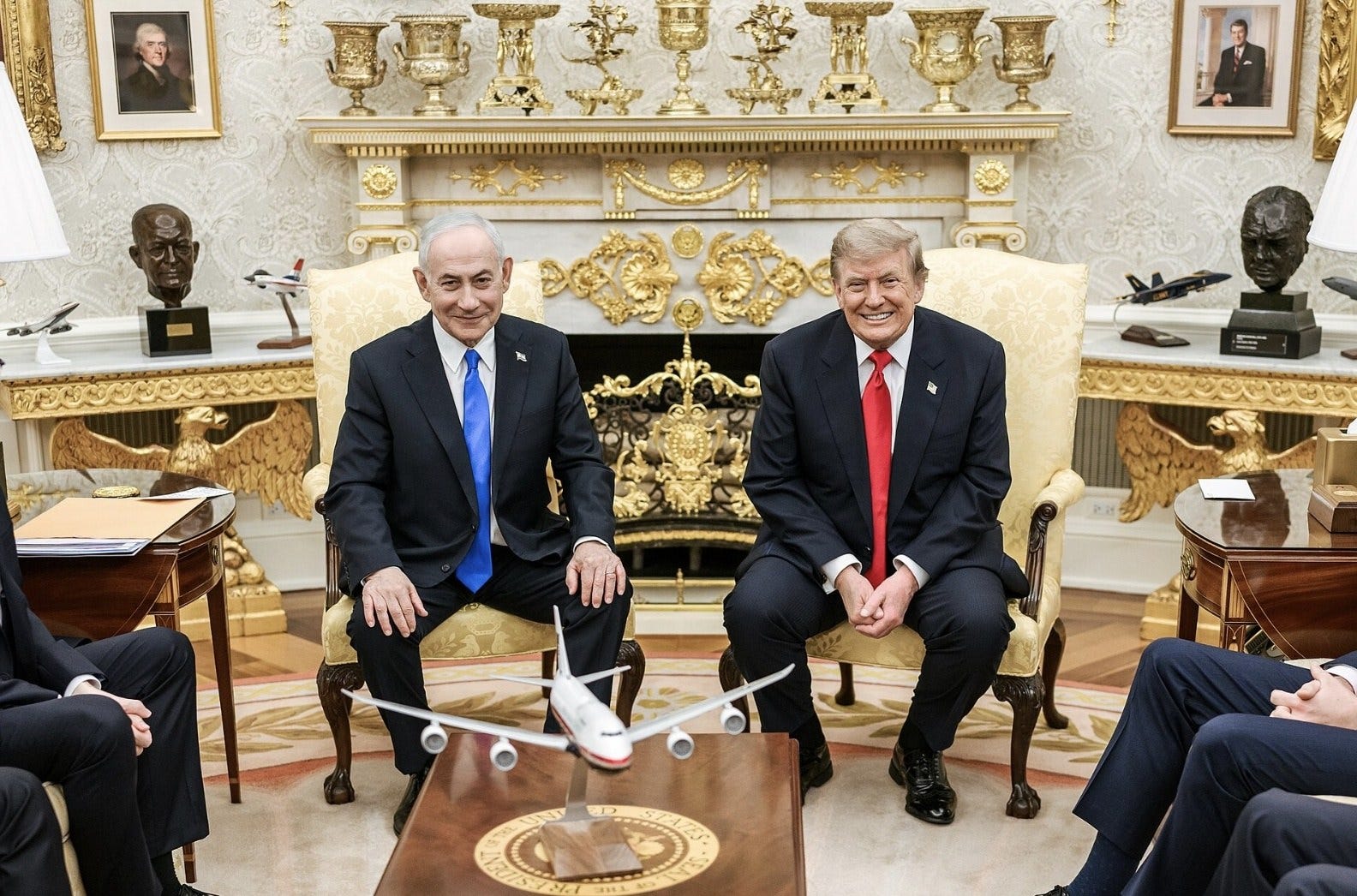
Washington’s relationship with Israel will remain strategically important, whatever the coalition outcome.
President Donald Trump has publicly supported Netanyahu, while the United States continues to play a central role in Israel’s security and regional diplomacy.
Iran remains a major concern for Israeli policymakers, alongside the activities of Tehran-aligned armed groups.
Any incoming government would have to determine how closely to coordinate its regional strategy with Washington.
A change in Israeli leadership might alter diplomatic priorities, but it would not remove the underlying disputes over Iran’s military capabilities, regional influence and the future of Gaza.
The election may change Israel’s political leadership before it changes the country’s security environment.
THE QUESTION FOR TOMORROW
IF ISRAEL’S VOTERS HAVE DENIED BOTH POLITICAL CAMPS A MAJORITY, WHO CAN BUILD A GOVERNMENT WITHOUT ABANDONING THEIR CAMPAIGN PROMISES?
HANS IZAAK KRIEK • EDITOR-IN-CHIEF