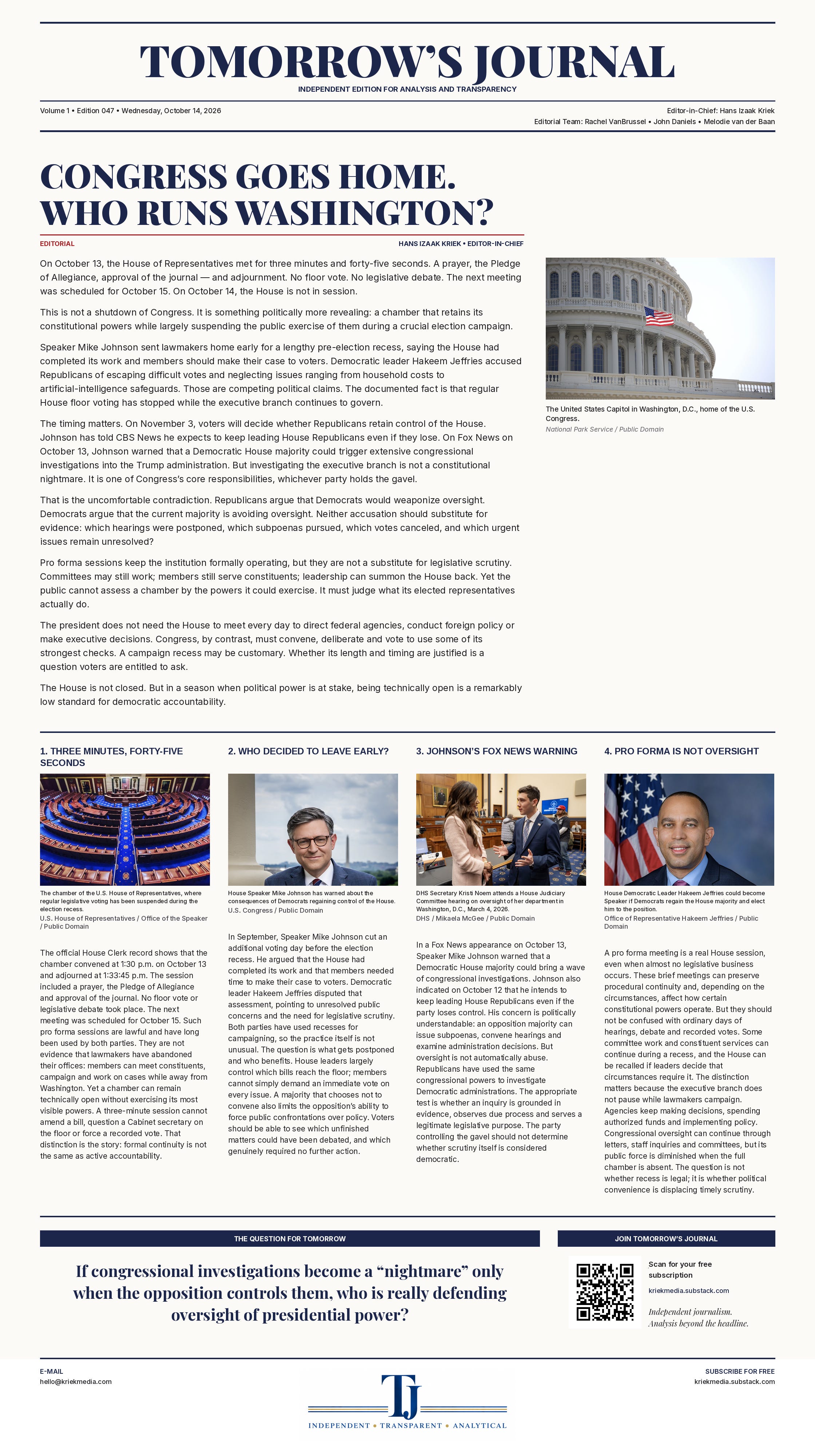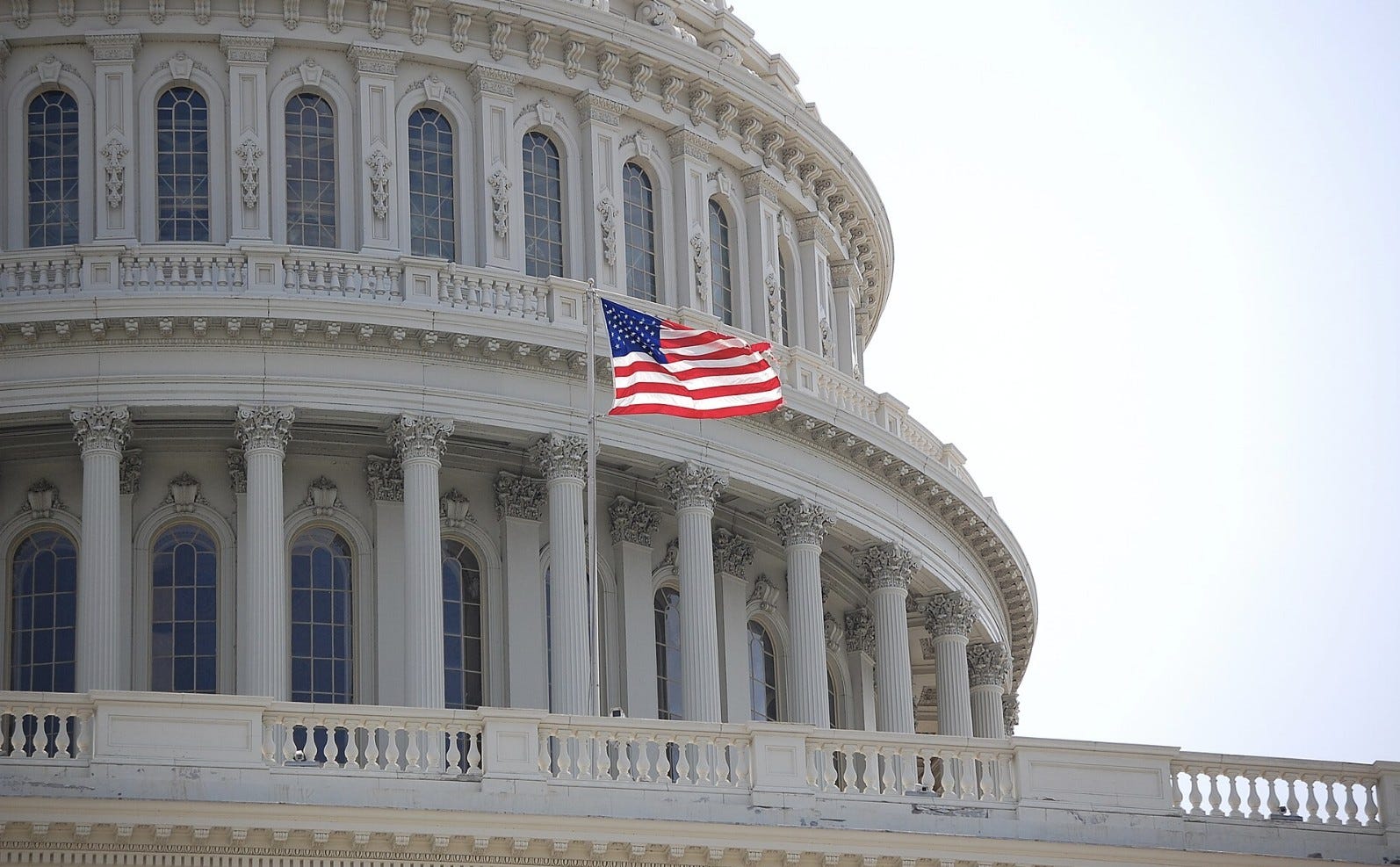
On October 13, the House of Representatives met for three minutes and forty-five seconds. A prayer, the Pledge of Allegiance, approval of the journal — and adjournment. No floor vote. No legislative debate. The next meeting was scheduled for October 15. On October 14, the House is not in session.
This is not a shutdown of Congress. It is something politically more revealing: a chamber that retains its constitutional powers while largely suspending the public exercise of them during a crucial election campaign.
Speaker Mike Johnson sent lawmakers home early for a lengthy pre-election recess, saying the House had completed its work and members should make their case to voters. Democratic leader Hakeem Jeffries accused Republicans of escaping difficult votes and neglecting issues ranging from household costs to artificial-intelligence safeguards. Those are competing political claims. The documented fact is that regular House floor voting has stopped while the executive branch continues to govern.
The timing matters. On November 3, voters will decide whether Republicans retain control of the House. Johnson has told CBS News he expects to keep leading House Republicans even if they lose. On Fox News on October 13, Johnson warned that a Democratic House majority could trigger extensive congressional investigations into the Trump administration. But investigating the executive branch is not a constitutional nightmare. It is one of Congress’s core responsibilities, whichever party holds the gavel.
That is the uncomfortable contradiction. Republicans argue that Democrats would weaponize oversight. Democrats argue that the current majority is avoiding oversight. Neither accusation should substitute for evidence: which hearings were postponed, which subpoenas pursued, which votes canceled, and which urgent issues remain unresolved?
Pro forma sessions keep the institution formally operating, but they are not a substitute for legislative scrutiny. Committees may still work; members still serve constituents; leadership can summon the House back. Yet the public cannot assess a chamber by the powers it could exercise. It must judge what its elected representatives actually do.
The president does not need the House to meet every day to direct federal agencies, conduct foreign policy or make executive decisions. Congress, by contrast, must convene, deliberate and vote to use some of its strongest checks. A campaign recess may be customary. Whether its length and timing are justified is a question voters are entitled to ask.
The House is not closed. But in a season when political power is at stake, being technically open is a remarkably low standard for democratic accountability.
1. THREE MINUTES, FORTY-FIVE SECONDS
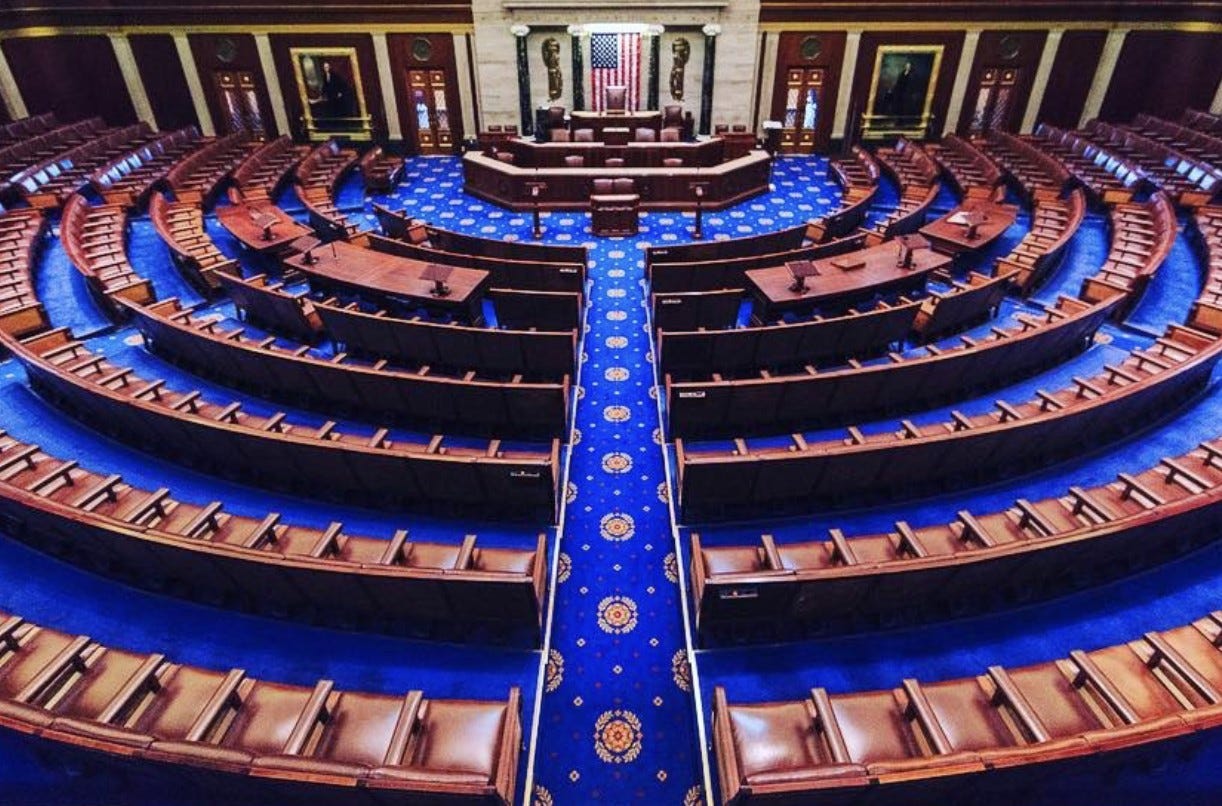
The official House Clerk record shows that the chamber convened at 1:30 p.m. on October 13 and adjourned at 1:33:45 p.m. The session included a prayer, the Pledge of Allegiance and approval of the journal. No floor vote or legislative debate took place. The next meeting was scheduled for October 15. Such pro forma sessions are lawful and have long been used by both parties. They are not evidence that lawmakers have abandoned their offices: members can meet constituents, campaign and work on cases while away from Washington. Yet a chamber can remain technically open without exercising its most visible powers. A three-minute session cannot amend a bill, question a Cabinet secretary on the floor or force a recorded vote. That distinction is the story: formal continuity is not the same as active accountability.
2. WHO DECIDED TO LEAVE EARLY?
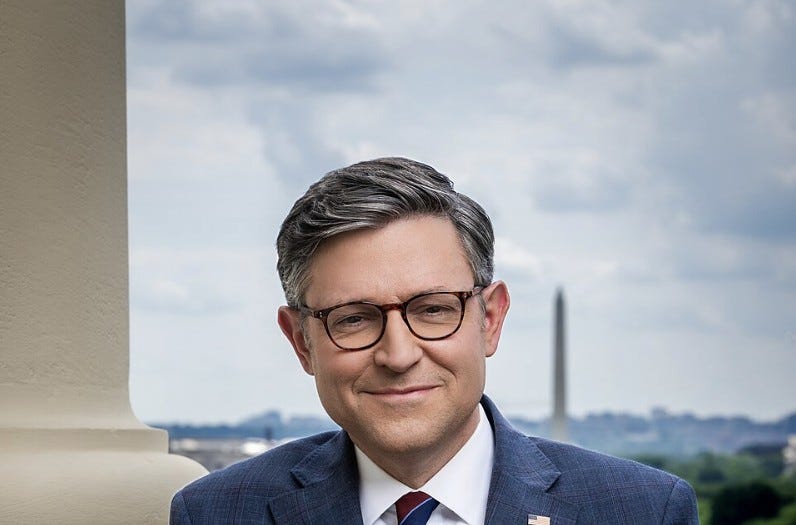
In September, Speaker Mike Johnson cut an additional voting day before the election recess. He argued that the House had completed its work and that members needed time to make their case to voters. Democratic leader Hakeem Jeffries disputed that assessment, pointing to unresolved public concerns and the need for legislative scrutiny. Both parties have used recesses for campaigning, so the practice itself is not unusual. The question is what gets postponed and who benefits. House leaders largely control which bills reach the floor; members cannot simply demand an immediate vote on every issue. A majority that chooses not to convene also limits the opposition’s ability to force public confrontations over policy. Voters should be able to see which unfinished matters could have been debated, and which genuinely required no further action.
3. JOHNSON’S FOX NEWS WARNING
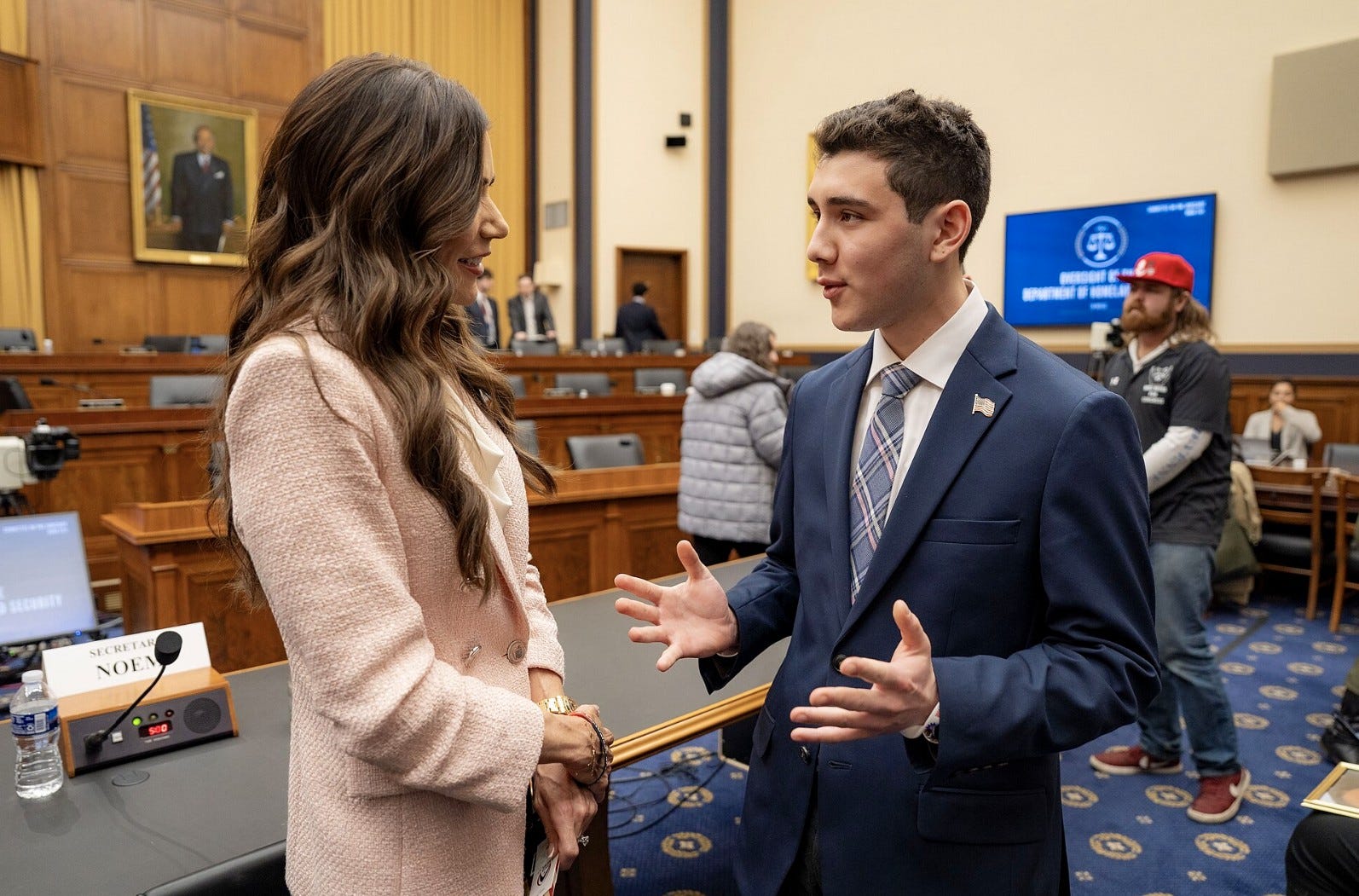
In a Fox News appearance on October 13, Speaker Mike Johnson warned that a Democratic House majority could bring a wave of congressional investigations. Johnson also indicated on October 12 that he intends to keep leading House Republicans even if the party loses control. His concern is politically understandable: an opposition majority can issue subpoenas, convene hearings and examine administration decisions. But oversight is not automatically abuse. Republicans have used the same congressional powers to investigate Democratic administrations. The appropriate test is whether an inquiry is grounded in evidence, observes due process and serves a legitimate legislative purpose. The party controlling the gavel should not determine whether scrutiny itself is considered democratic.
4. PRO FORMA IS NOT OVERSIGHT
A pro forma meeting is a real House session, even when almost no legislative business occurs. These brief meetings can preserve procedural continuity and, depending on the circumstances, affect how certain constitutional powers operate. But they should not be confused with ordinary days of hearings, debate and recorded votes. Some committee work and constituent services can continue during a recess, and the House can be recalled if leaders decide that circumstances require it. The distinction matters because the executive branch does not pause while lawmakers campaign. Agencies keep making decisions, spending authorized funds and implementing policy. Congressional oversight can continue through letters, staff inquiries and committees, but its public force is diminished when the full chamber is absent. The question is not whether recess is legal; it is whether political convenience is displacing timely scrutiny.
THE QUESTION FOR TOMORROW
If congressional investigations become a “nightmare” only when the opposition controls them, who is really defending oversight of presidential power?
EDITORIAL
HANS IZAAK KRIEK • EDITOR-IN-CHIEF