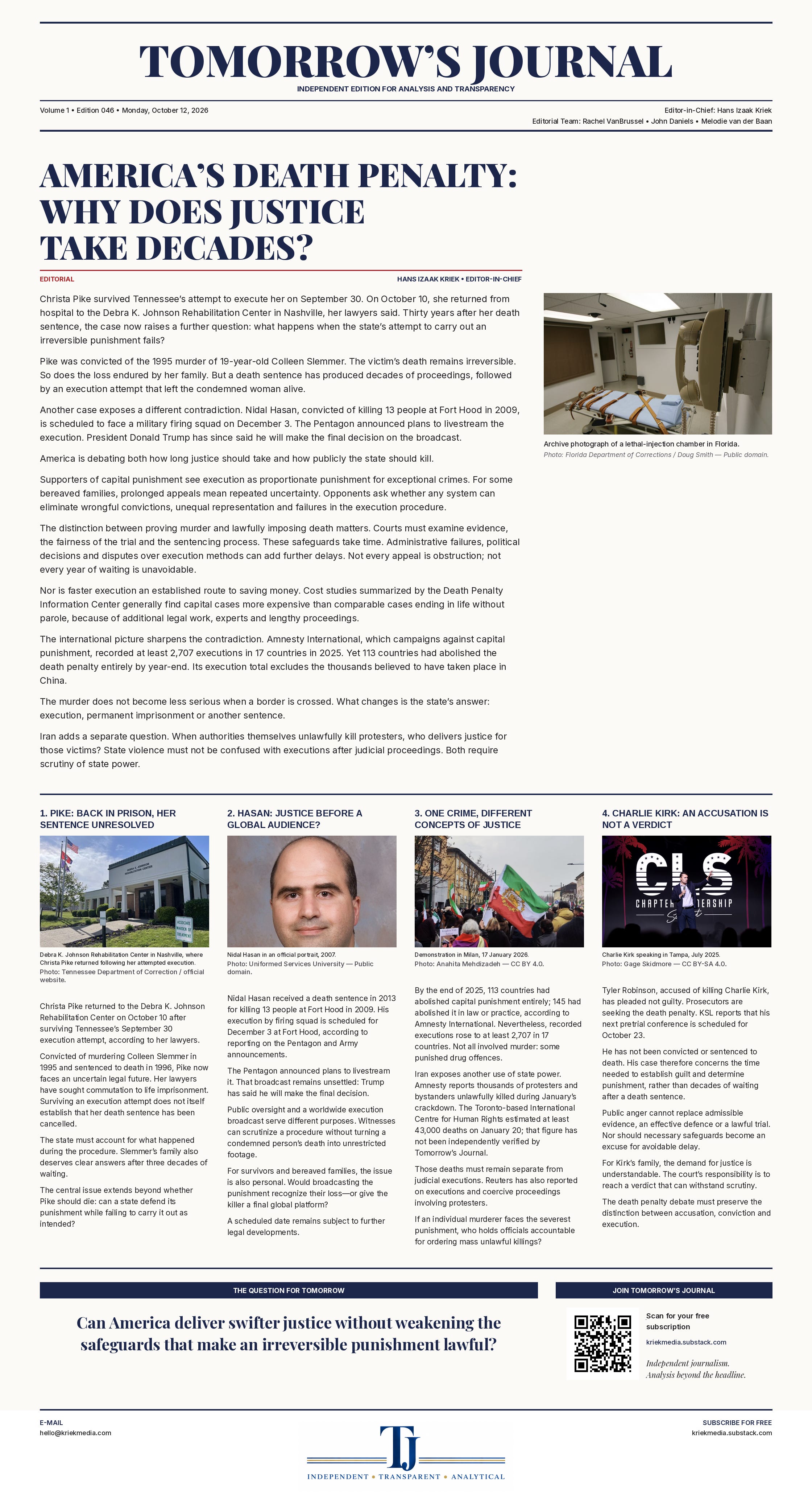

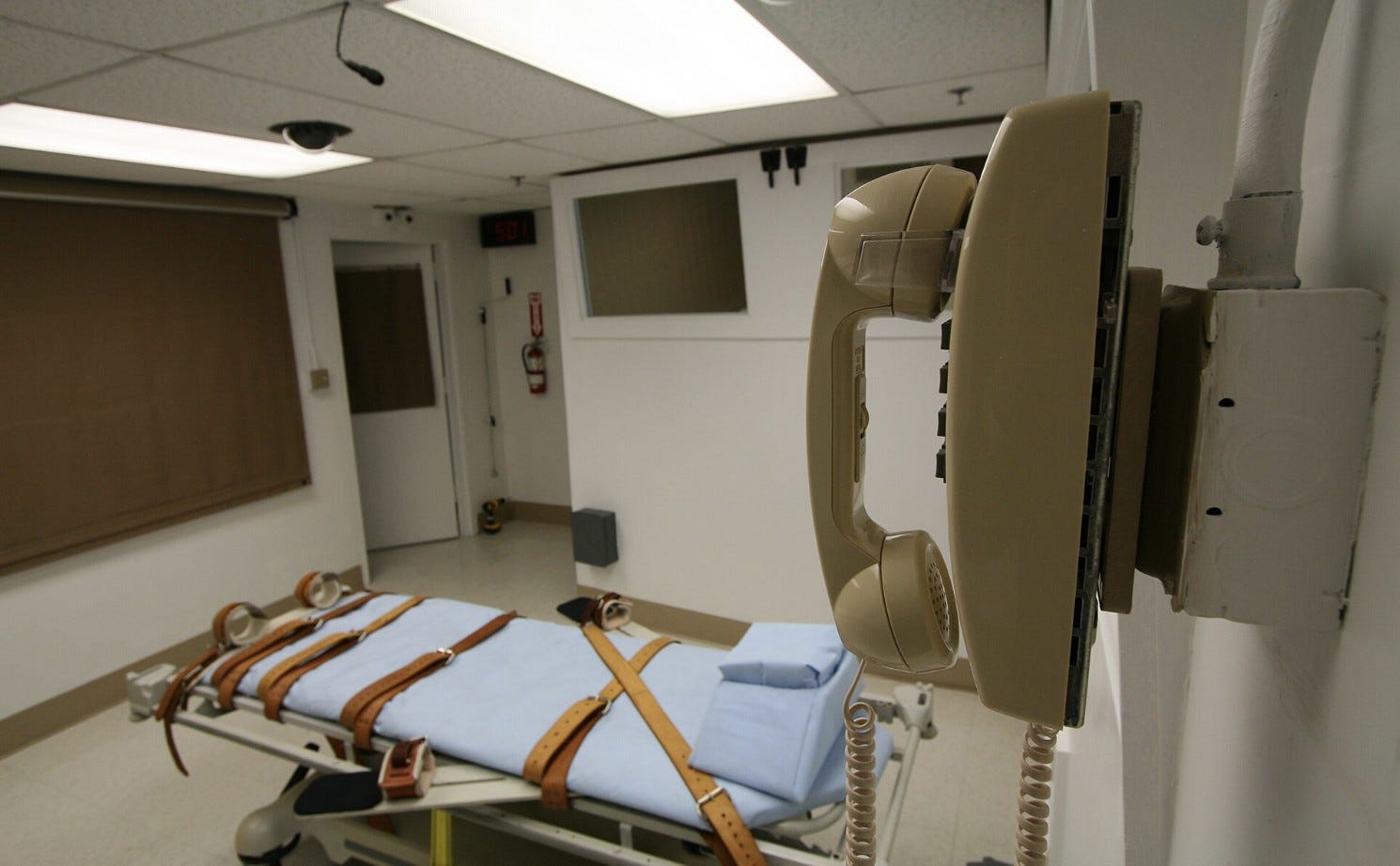
Christa Pike survived Tennessee’s attempt to execute her on September 30. On October 10, she returned from hospital to the Debra K. Johnson Rehabilitation Center in Nashville, her lawyers said. Thirty years after her death sentence, the case now raises a further question: what happens when the state’s attempt to carry out an irreversible punishment fails?
Pike was convicted of the 1995 murder of 19-year-old Colleen Slemmer. The victim’s death remains irreversible. So does the loss endured by her family. But a death sentence has produced decades of proceedings, followed by an execution attempt that left the condemned woman alive.
Another case exposes a different contradiction. Nidal Hasan, convicted of killing 13 people at Fort Hood in 2009, is scheduled to face a military firing squad on December 3. The Pentagon announced plans to livestream the execution. President Donald Trump has since said he will make the final decision on the broadcast.
America is debating both how long justice should take and how publicly the state should kill.
Supporters of capital punishment see execution as proportionate punishment for exceptional crimes. For some bereaved families, prolonged appeals mean repeated uncertainty. Opponents ask whether any system can eliminate wrongful convictions, unequal representation and failures in the execution procedure.
The distinction between proving murder and lawfully imposing death matters. Courts must examine evidence, the fairness of the trial and the sentencing process. These safeguards take time. Administrative failures, political decisions and disputes over execution methods can add further delays. Not every appeal is obstruction; not every year of waiting is unavoidable.
Nor is faster execution an established route to saving money. Cost studies summarized by the Death Penalty Information Center generally find capital cases more expensive than comparable cases ending in life without parole, because of additional legal work, experts and lengthy proceedings.
The international picture sharpens the contradiction. Amnesty International, which campaigns against capital punishment, recorded at least 2,707 executions in 17 countries in 2025. Yet 113 countries had abolished the death penalty entirely by year-end. Its execution total excludes the thousands believed to have taken place in China.
The murder does not become less serious when a border is crossed. What changes is the state’s answer: execution, permanent imprisonment or another sentence.
Iran adds a separate question. When authorities themselves unlawfully kill protesters, who delivers justice for those victims? State violence must not be confused with executions after judicial proceedings. Both require scrutiny of state power.
1. PIKE: BACK IN PRISON, HER SENTENCE UNRESOLVED

Christa Pike returned to the Debra K. Johnson Rehabilitation Center on October 10 after surviving Tennessee’s September 30 execution attempt, according to her lawyers.
Convicted of murdering Colleen Slemmer in 1995 and sentenced to death in 1996, Pike now faces an uncertain legal future. Her lawyers have sought commutation to life imprisonment. Surviving an execution attempt does not itself establish that her death sentence has been cancelled.
The state must account for what happened during the procedure. Slemmer’s family also deserves clear answers after three decades of waiting.
The central issue extends beyond whether Pike should die: can a state defend its punishment while failing to carry it out as intended?
2. HASAN: JUSTICE BEFORE A GLOBAL AUDIENCE?
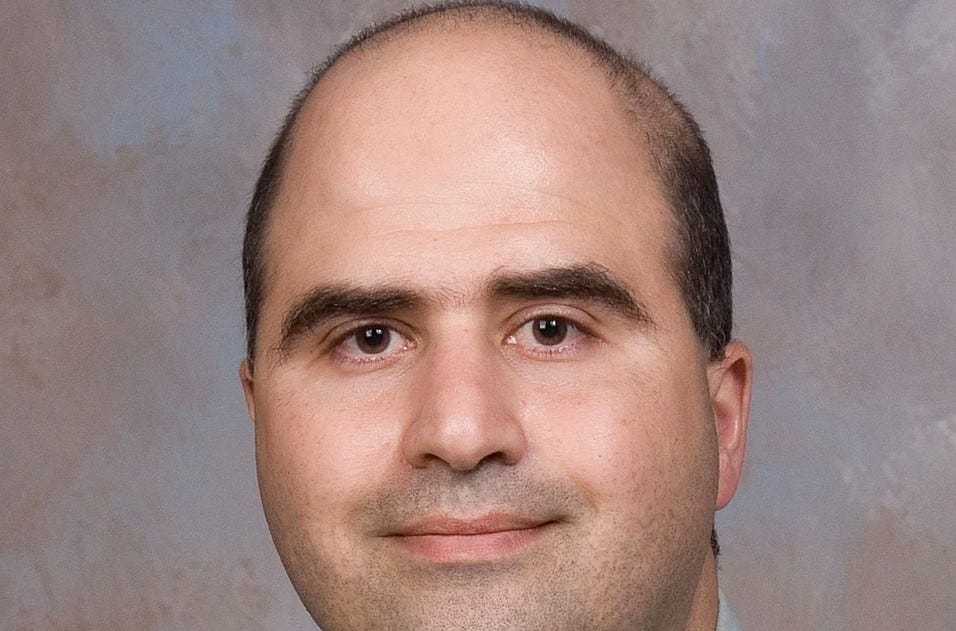
Nidal Hasan received a death sentence in 2013 for killing 13 people at Fort Hood in 2009. His execution by firing squad is scheduled for December 3 at Fort Hood, according to reporting on the Pentagon and Army announcements.
The Pentagon announced plans to livestream it. That broadcast remains unsettled: Trump has said he will make the final decision.
Public oversight and a worldwide execution broadcast serve different purposes. Witnesses can scrutinize a procedure without turning a condemned person’s death into unrestricted footage.
For survivors and bereaved families, the issue is also personal. Would broadcasting the punishment recognize their loss—or give the killer a final global platform?
A scheduled date remains subject to further legal developments.
3. ONE CRIME, DIFFERENT CONCEPTS OF JUSTICE

By the end of 2025, 113 countries had abolished capital punishment entirely; 145 had abolished it in law or practice, according to Amnesty International. Nevertheless, recorded executions rose to at least 2,707 in 17 countries. Not all involved murder: some punished drug offences.
Iran exposes another use of state power. Amnesty reports thousands of protesters and bystanders unlawfully killed during January’s crackdown. The Toronto-based International Centre for Human Rights estimated at least 43,000 deaths on January 20; that figure has not been independently verified by Tomorrow’s Journal.
Those deaths must remain separate from judicial executions. Reuters has also reported on executions and coercive proceedings involving protesters.
If an individual murderer faces the severest punishment, who holds officials accountable for ordering mass unlawful killings?
4. CHARLIE KIRK: AN ACCUSATION IS NOT A VERDICT

Tyler Robinson, accused of killing Charlie Kirk, has pleaded not guilty. Prosecutors are seeking the death penalty. KSL reports that his next pretrial conference is scheduled for October 23.
He has not been convicted or sentenced to death. His case therefore concerns the time needed to establish guilt and determine punishment, rather than decades of waiting after a death sentence.
Public anger cannot replace admissible evidence, an effective defence or a lawful trial. Nor should necessary safeguards become an excuse for avoidable delay.
For Kirk’s family, the demand for justice is understandable. The court’s responsibility is to reach a verdict that can withstand scrutiny.
The death penalty debate must preserve the distinction between accusation, conviction and execution.
THE QUESTION FOR TOMORROW
Can America deliver swifter justice without weakening the safeguards that make an irreversible punishment lawful?
EDITORIAL
HANS IZAAK KRIEK • EDITOR-IN-CHIEF